The future of marshalling yards: four things that decide capacity
Why the yard is the bottleneck
A freight corridor is never stronger than its most critical operating point. New main lines, ports and terminals raise capacity up to the yard. There the wagons must be re-sorted, and if shunting is slow, labour intensive or unsafe, the flow stops. That was DECEL's message at the EU Global Gateway summit in Brussels in June 2026, where the transport corridors between Europe and Central Asia were discussed.
1. From brake shoes to automated braking
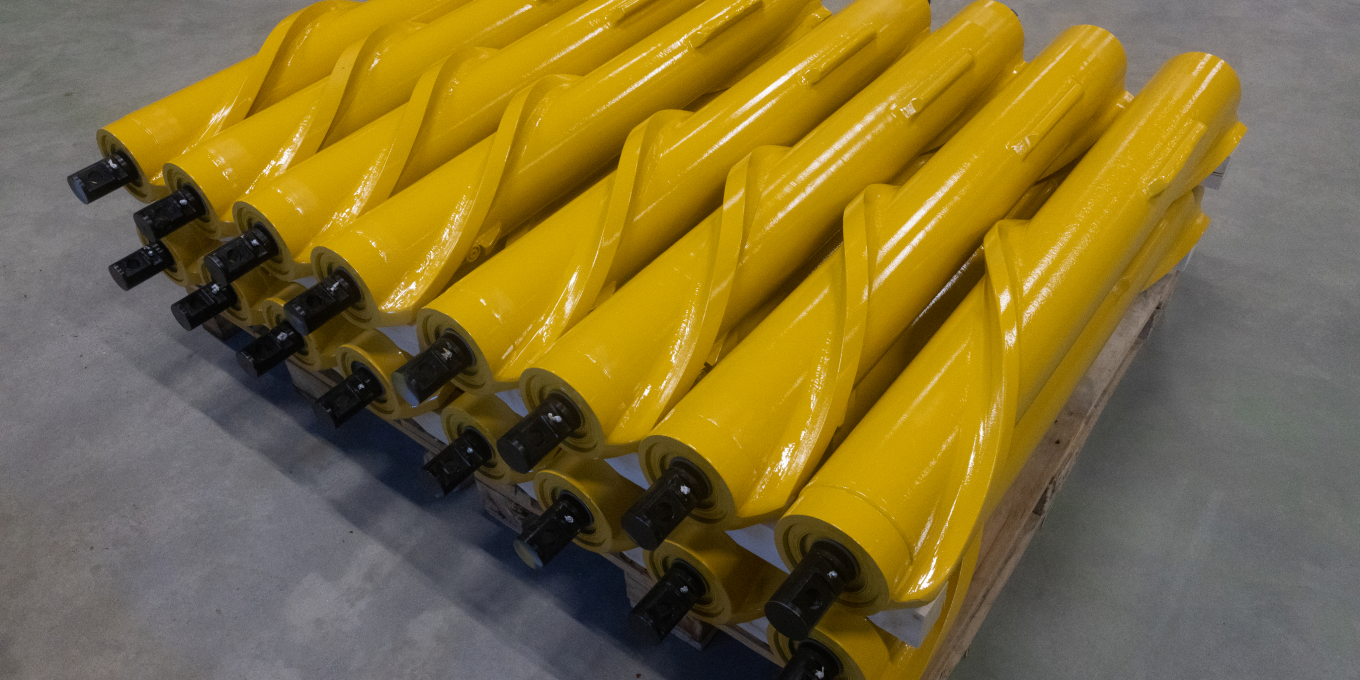
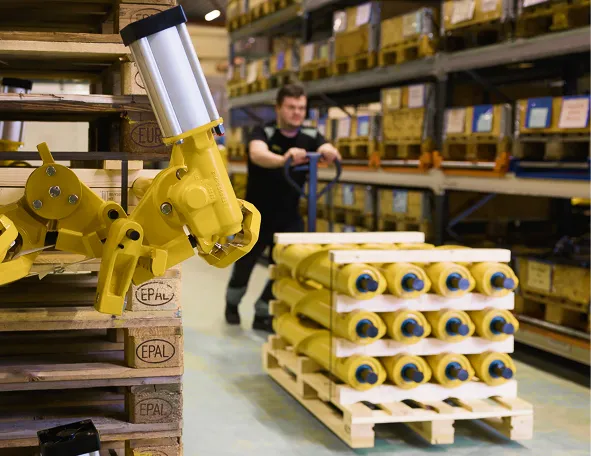
Many yards, in Sweden and internationally, still control wagon speed with manual brake shoes. The method limits capacity and requires staff in the track. Retarders that brake automatically are the first and largest step for a yard that wants to handle more wagons per shift. How retarders work.
2. New control technology tested in operation
The next step is control: how hard each wagon should be braked based on weight, rolling resistance and how far it has to travel. At Borlänge marshalling yard in Sweden, where 948 DECEL retarders have been in service since 1987, DECEL and Trafikverket are testing new products and control technology step by step in live operation. At Sävenäs in Gothenburg, DECEL is supplying new control for 1,500 pneumatic retarders as part of a modernisation running through 2030, with a sharp reduction in energy use as one of the goals.
3. Upgrade what exists
Building a new marshalling yard is a multi-year investment. Upgrading an existing one is considerably faster. DECEL has a proven system that makes it possible to raise capacity in existing yards without rebuilding the whole facility: new retarders where needed, new control for existing retarders and refurbishment of equipment already in the track. The yard in Gävle has been shunting with DECEL retarders since 1991, and at Sävenäs around 700 retarders have already been upgraded to the latest version.
4. The corridors between Europe and Asia
Investment in the Trans-Caspian corridor, the Middle Corridor, is growing. The EU, the EIB and the EBRD are working on financing transport connections between Europe and Central Asia, and countries in the region are modernising their rail infrastructure. DECEL works in Kazakhstan on analysis, simulation and modernisation of shunting processes. A complete braking system has been tested for more than a year at a marshalling yard handling heavy wagons from a steelworks.
What this means for yard managers
- Start by measuring: wagons per shift, number of damage incidents, time spent on manual braking.
- Find out what can be upgraded in the existing facility before discussing new construction.
- Test new technology in live operation on a limited part of the yard, as in Borlänge.
- Train staff on the new system, otherwise it will not be used to its full potential.
About the author

Niklas Hörnell
CEO
Niklas Hörnell is the CEO of DECEL, which manufactures retarders and control systems for marshalling yards in Överhörnäs, Sweden.
Niklas Hörnell
CEO
The technology that transforms your yard

Need more information?
Contact one of our experts.
What limits the capacity of a marshalling yard?
Usually the shunting itself: how fast wagons can be braked, sorted and coupled safely. Manual brake shoes are the most common limitation.
Can capacity be increased without rebuilding the yard?
Yes. New retarders where needed, new control for existing retarders and refurbishment of equipment in the track raise capacity within the existing facility.
What is the Middle Corridor?
The Trans-Caspian transport corridor between Europe and Central Asia via the Caucasus and the Caspian Sea. A central part of the EU's Global Gateway initiative.