Safety and regulations for shunting: what applies in a marshalling yard?
The main risks in shunting
Shunting is one of the moments in rail operations where people and rolling vehicles come closest to each other. The risks are well known:
- Staff in the track. With manual brake shoes, staff must place the shoe on the rail ahead of a rolling wagon, often in darkness, snow or rain.
- Excessive coupling speed. Wagons that collide too hard damage goods, wagons and track, and can cause derailments.
- Poor maintenance. Brakes that do not perform as intended give uneven braking, and the fault is often discovered only when something breaks.
Automated retarders remove the first risk entirely and reduce the other two.
Which regulations apply?
Requirements come from several directions. At a high level:
- EU railway legislation. The directives on interoperability and railway safety, with their technical specifications for interoperability (TSIs), set the framework for how infrastructure and vehicles must work together. Significant changes to a facility require a risk assessment under the EU's Common Safety Method (CSM-RA).
- National authorities. In Sweden, the Swedish Transport Agency (Transportstyrelsen) is the safety authority, and Trafikverket, the infrastructure manager, sets its own technical requirements for equipment installed in its facilities. Other countries have equivalent bodies.
- Work environment legislation. Employers must systematically assess and reduce risks at work. Working close to rolling vehicles is such a risk.
Exactly which requirements apply depends on the country, the facility and whether the project is new construction, a modernisation or a replacement of existing equipment. DECEL goes through this with the customer at the start of every project.
How DECEL builds safety into a delivery
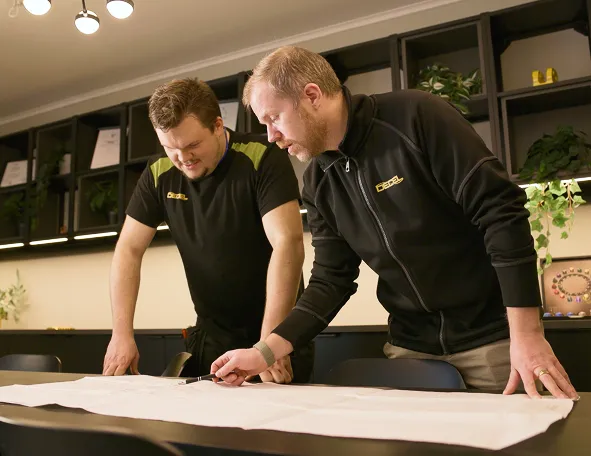
Design. Every yard is different: track gradient, wagon weights, climate and traffic volume determine how many retarders are needed and where they go. DECEL simulates and dimensions the braking solution for the specific facility.
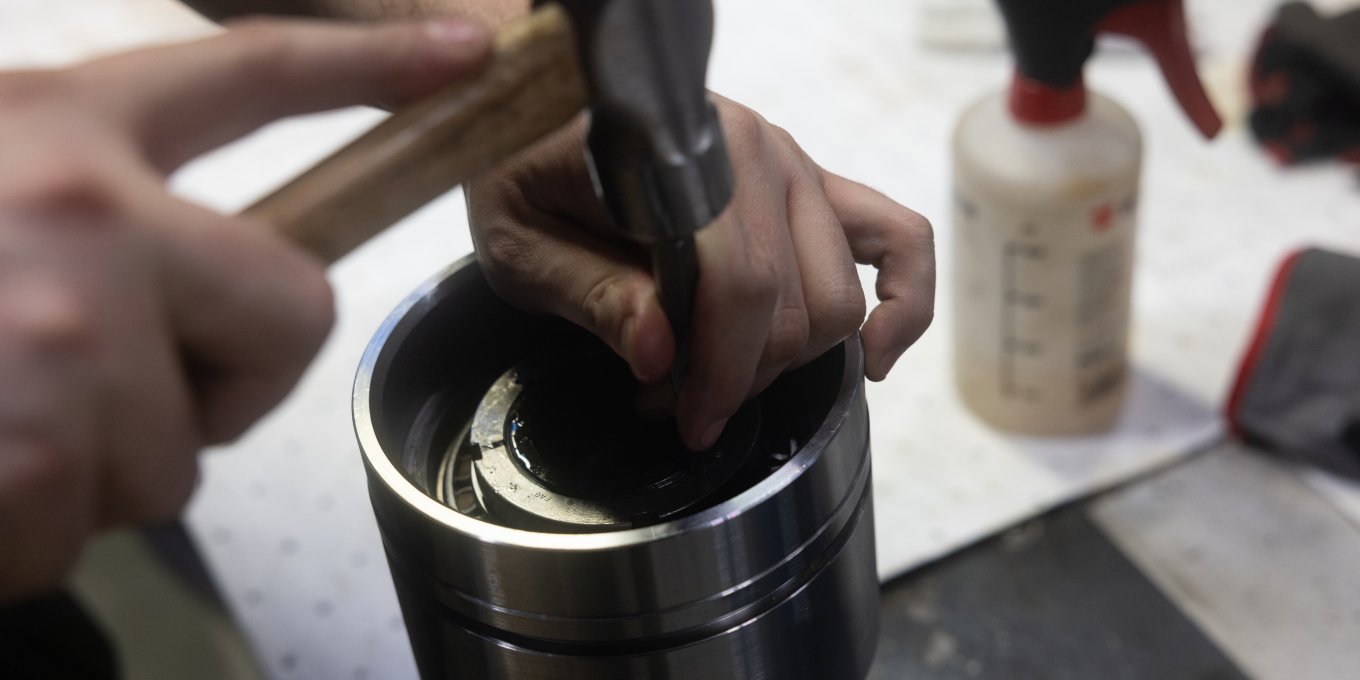
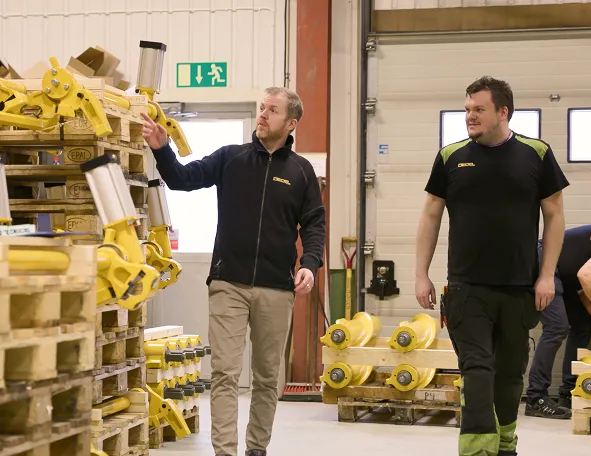
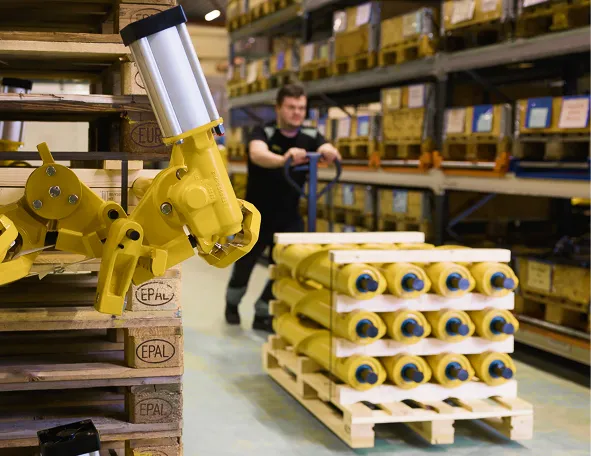
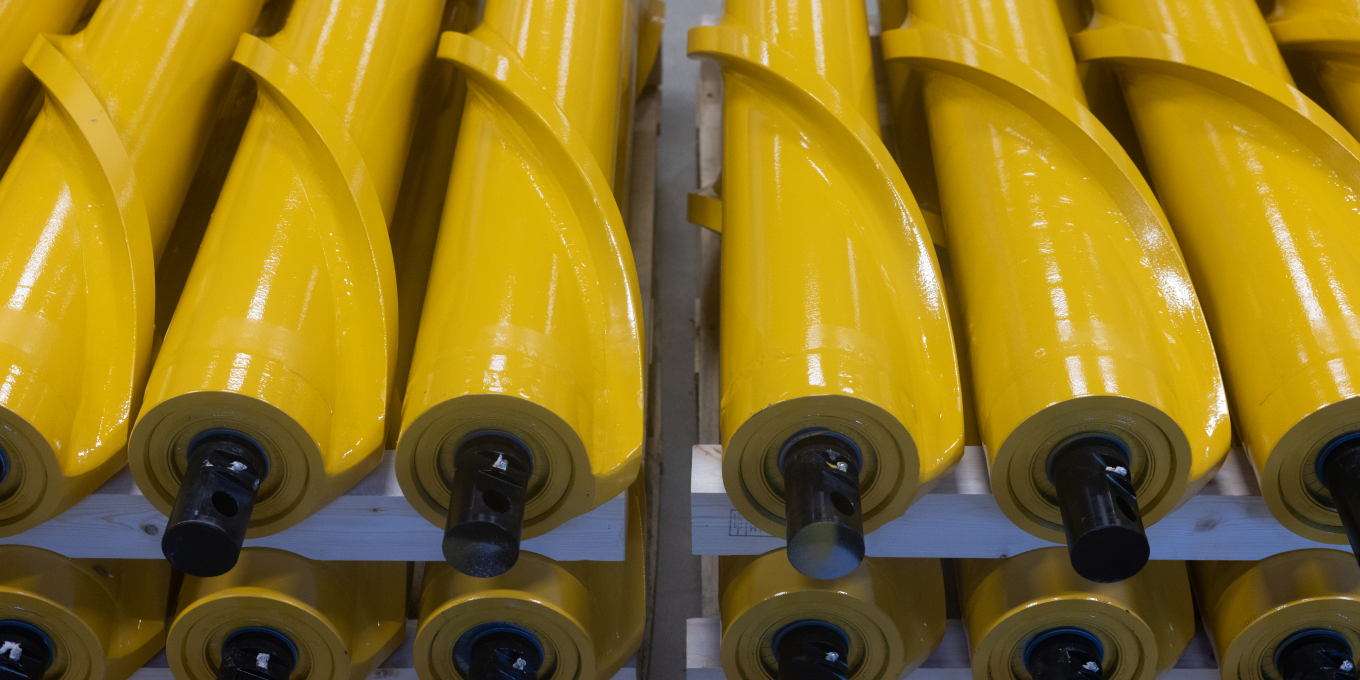
Manufacturing and testing. Retarders are manufactured, refurbished and tested in DECEL's workshop in Överhörnäs, Sweden, before installation. DECEL is certified to ISO 9001 for quality management and ISO 14001 for environmental management.
Installation and commissioning. DECEL installs and commissions on site, often with the yard in operation. In Gävle, Sweden, 960 retarders were installed while the yard kept running.
Testing in real operation. Before a system is approved for full service, it is tested under real conditions. At a marshalling yard in Kazakhstan, DECEL's complete system has been tested for more than a year with heavy wagons from a steelworks.
Training and maintenance. A safe system requires operations and maintenance staff who understand it. DECEL trains customers' staff in function, troubleshooting and preventive maintenance.
From brake shoes to controlled operation
The difference between manual and automated shunting is not just fewer accidents. The retarders are always in active position and brake every wagon to the same pre-set speed, regardless of who is on shift or what the weather is like. The control system reports faults and deviations to the operator, so problems are caught before they affect operation. That makes safety predictable, supports systematic work environment management and makes it easier to show authorities and clients that the facility meets requirements.
About the author

Niklas Hörnell
CEO
Niklas Hörnell is the CEO of DECEL, which manufactures retarders and control systems for marshalling yards in Överhörnäs, Sweden.
Niklas Hörnell
CEO
The technology that transforms your yard

Need more information?
Contact one of our experts.
Are brake shoes still permitted in shunting?
Yes, the method is still used in many yards. But work environment requirements to reduce risks when working near rolling vehicles lead many infrastructure managers to replace them with retarders.
What is CSM-RA?
The EU's Common Safety Method for risk evaluation and assessment. It must be applied to significant changes to the railway system, for example major rebuilds of a marshalling yard.
Who is responsible for safety in a marshalling yard?
The infrastructure manager is responsible for the facility, and each operator is responsible for its own staff and work procedures. Suppliers such as DECEL are responsible for ensuring the equipment is designed, tested and documented for its purpose.
Which certifications does DECEL hold?
DECEL is certified to ISO 9001 (quality management) and ISO 14001 (environmental management).