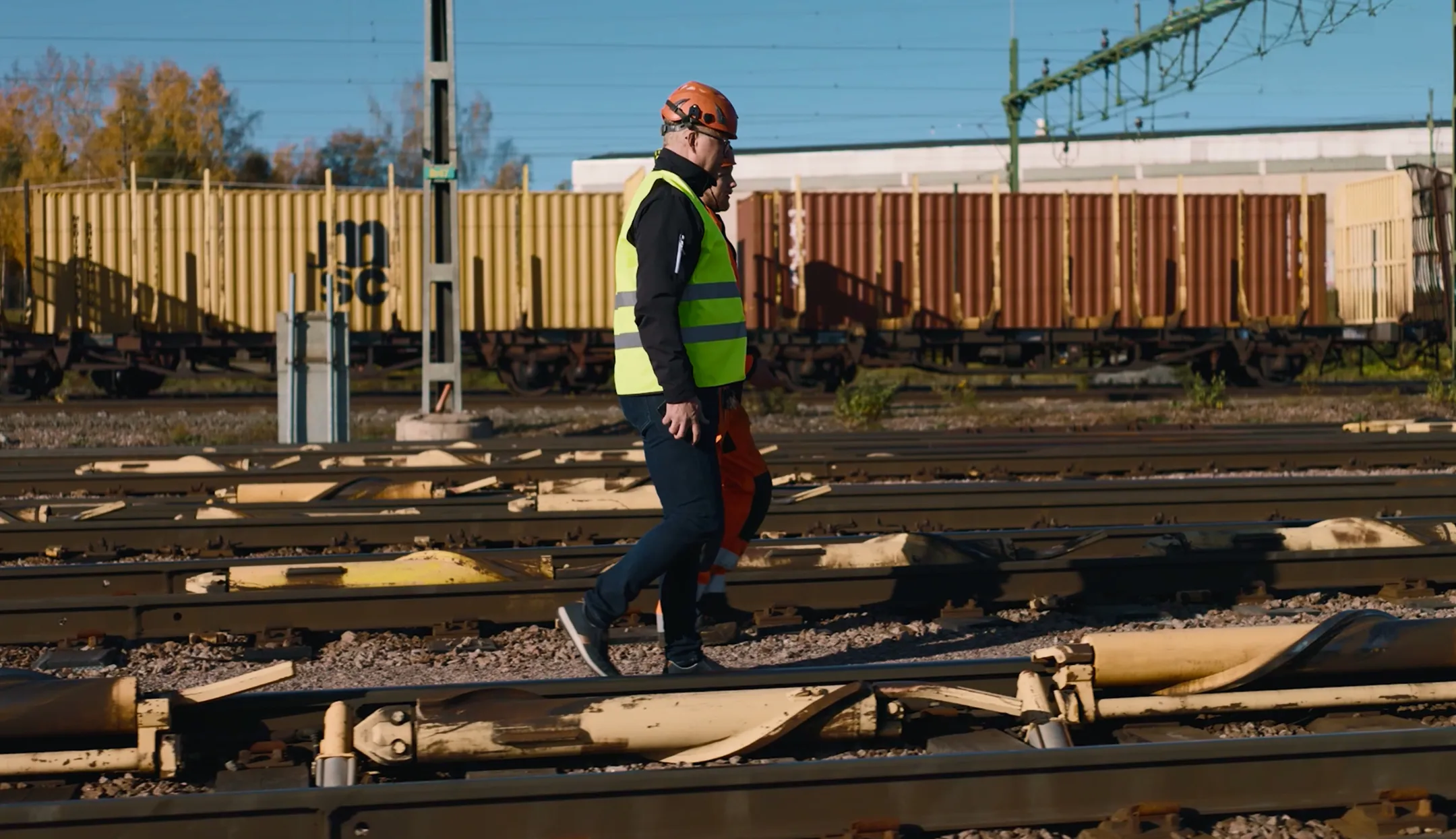

We solve operational challenges with simple and proven engineering. With less complexity and higher reliability, rail operators get safe, predictable and cost-effective yard operations for the long term.
More than a braking system
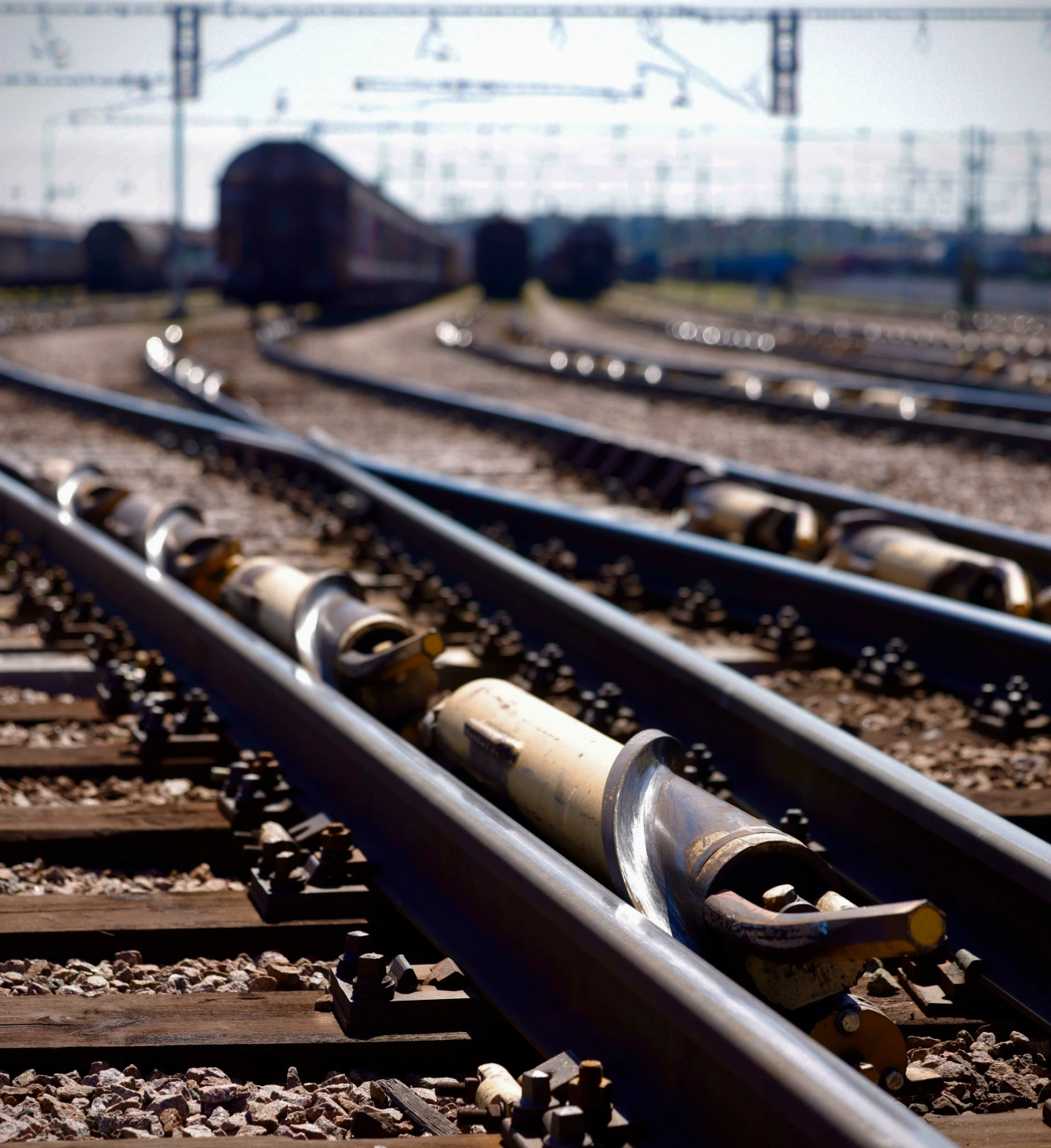
Every wagon that enters the yard carries its own speed and weight. DECEL's spiral retarder reads that speed continuously and absorbs the excess energy the moment it exceeds a preset limit, decelerating every wagon the same way regardless of weight. No electronics, no external power, and no data system required.
The result is a controlled and continuous deceleration, while reducing operational risk for trackside staff, lowering maintenance costs, and increasing productivity.
300-400% proven productivity gains.
A proven process from first contact to a complete, operational yard.

Initial brief and needs analysis
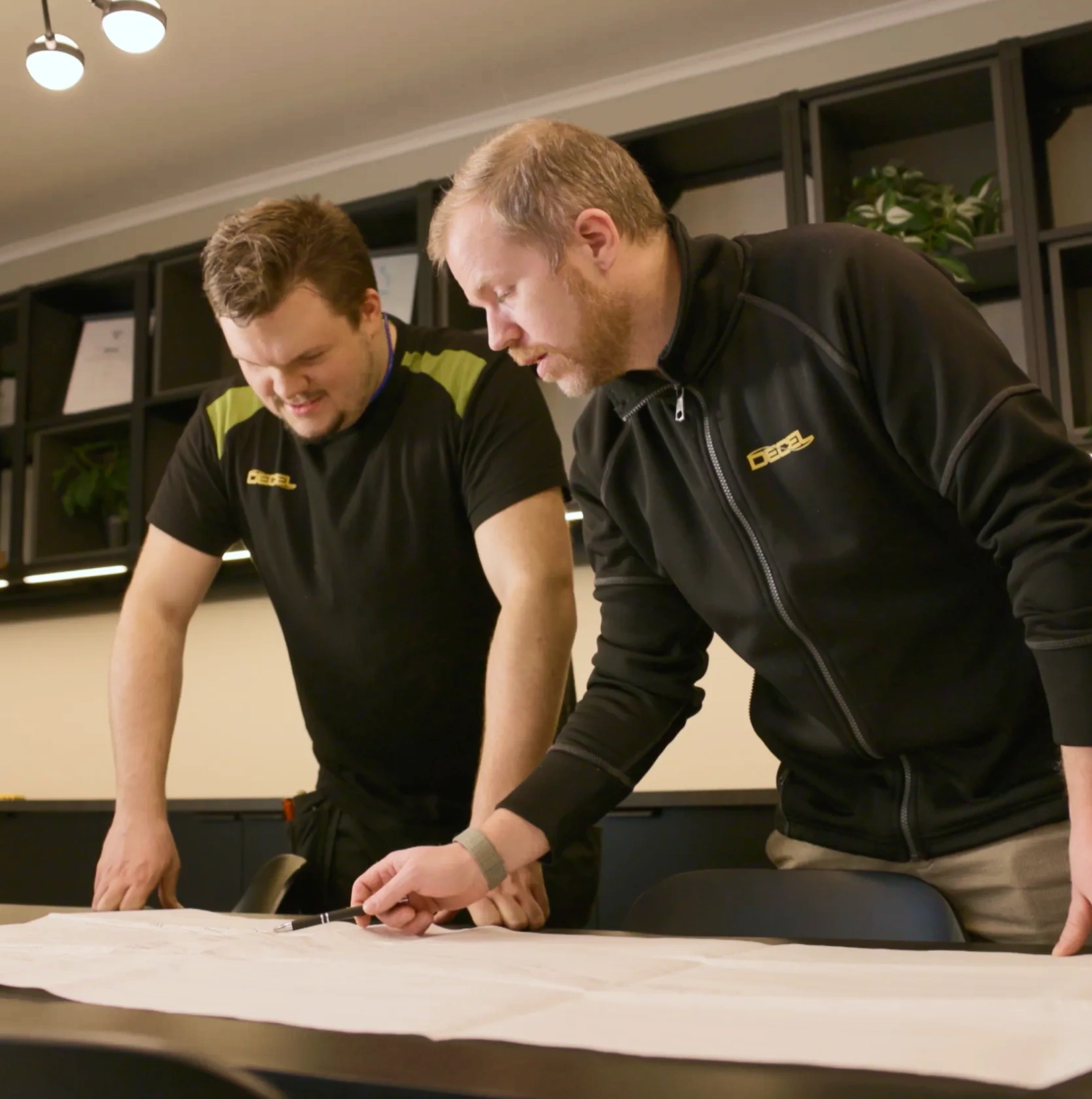
Understanding your yard, your goals, and the challenges you want the system to solve. Together we review traffic flows, wagon types, capacity needs and the problems you face today, such as wagon damage or bottlenecks at the hump.
Based on that, we set clear goals for the project, so everyone knows what the solution needs to achieve before we move forward. This gives everyone a shared picture of the situation and a clear direction for the rest of the process.
On-site survey of the yard
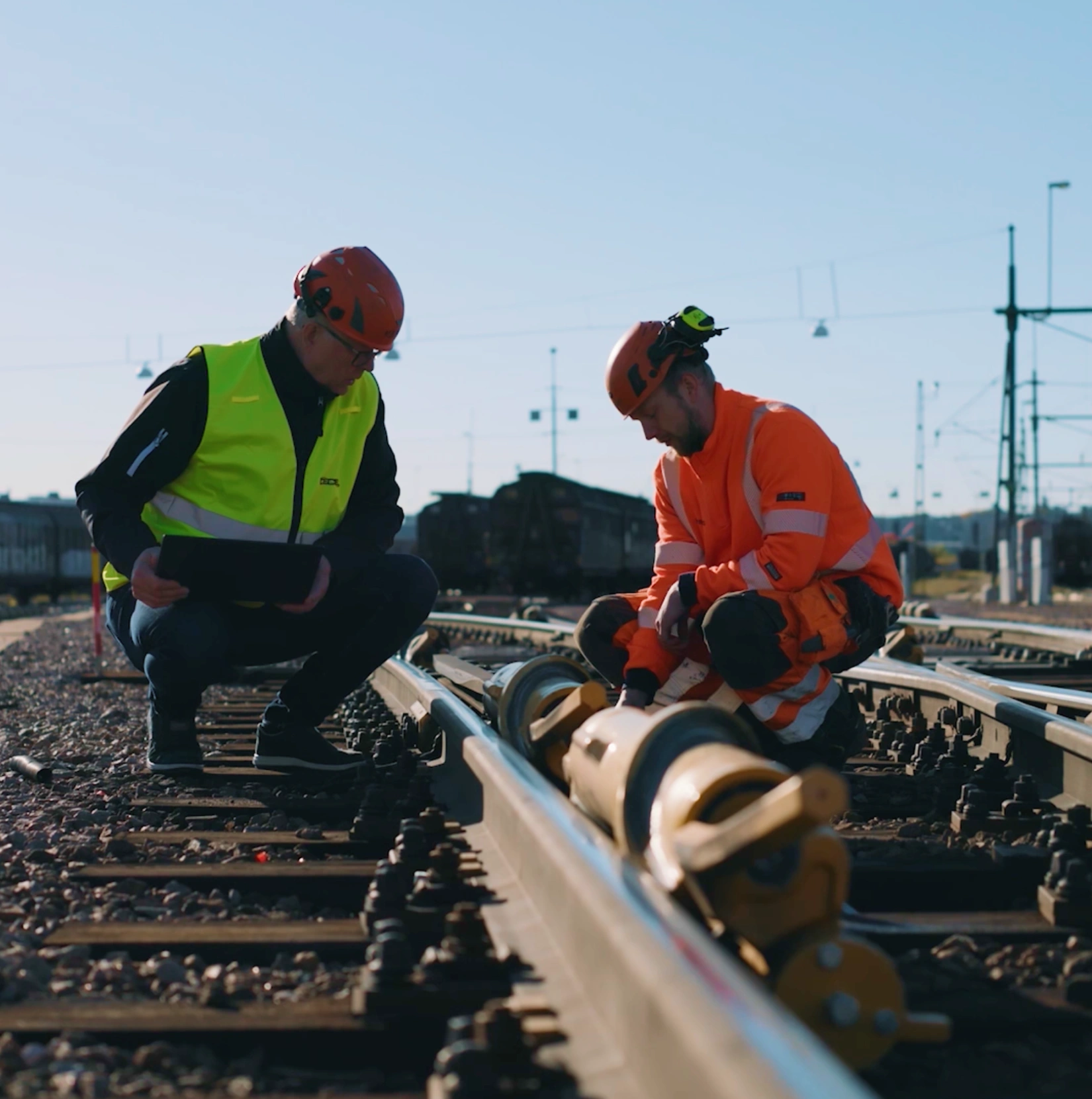
Assessing the existing yard and on-site infrastructure, as a basis for the design. We carefully measure gradients, track lengths and rail profiles, and document how the yard is actually used day to day. We also look at existing retarders, signalling and maintenance routines.
Everything is gathered into a clear basis that lets the solution be tailored to the real conditions in your yard. The better the basis, the more precise and cost-effective the design becomes.
Solution design tailored to the yard
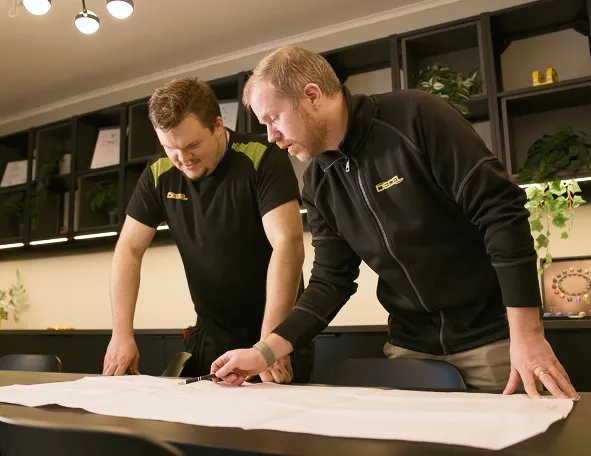
Engineering a system built around your yard's specific requirements and conditions. With our own simulation software, we test every track and every wagon type through the entire yard and optimise speeds and retarder zones.
The result is a solution where every retarder is correctly sized and placed, so wagons roll safely and predictably from the first day. The design is agreed with you before anything is manufactured, so you know exactly what you get.
Manufacturing to specification
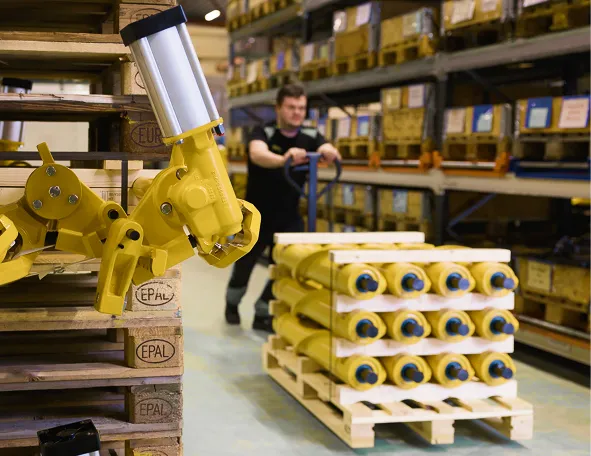
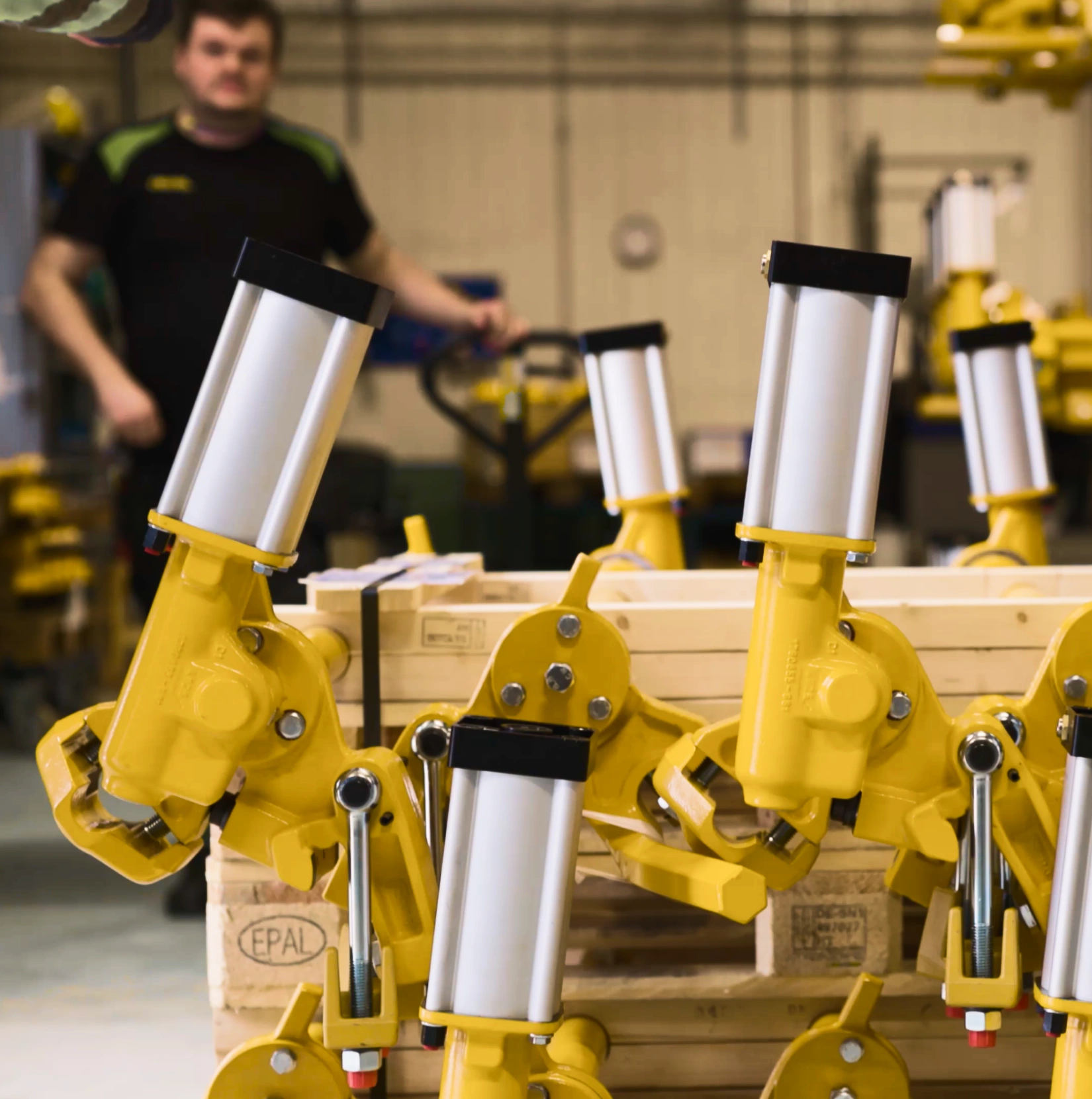
Building the system to the agreed specification, ready for installation on site. Every spiral retarder is assembled, tested and quality checked in our workshop before delivery. We produce the mountings and components needed for your specific rail and pack everything so installation can run smoothly.
That way, the system arrives at the yard ready to install, with no surprises. Everything is documented, so you know exactly what is being delivered.
On-site installation support
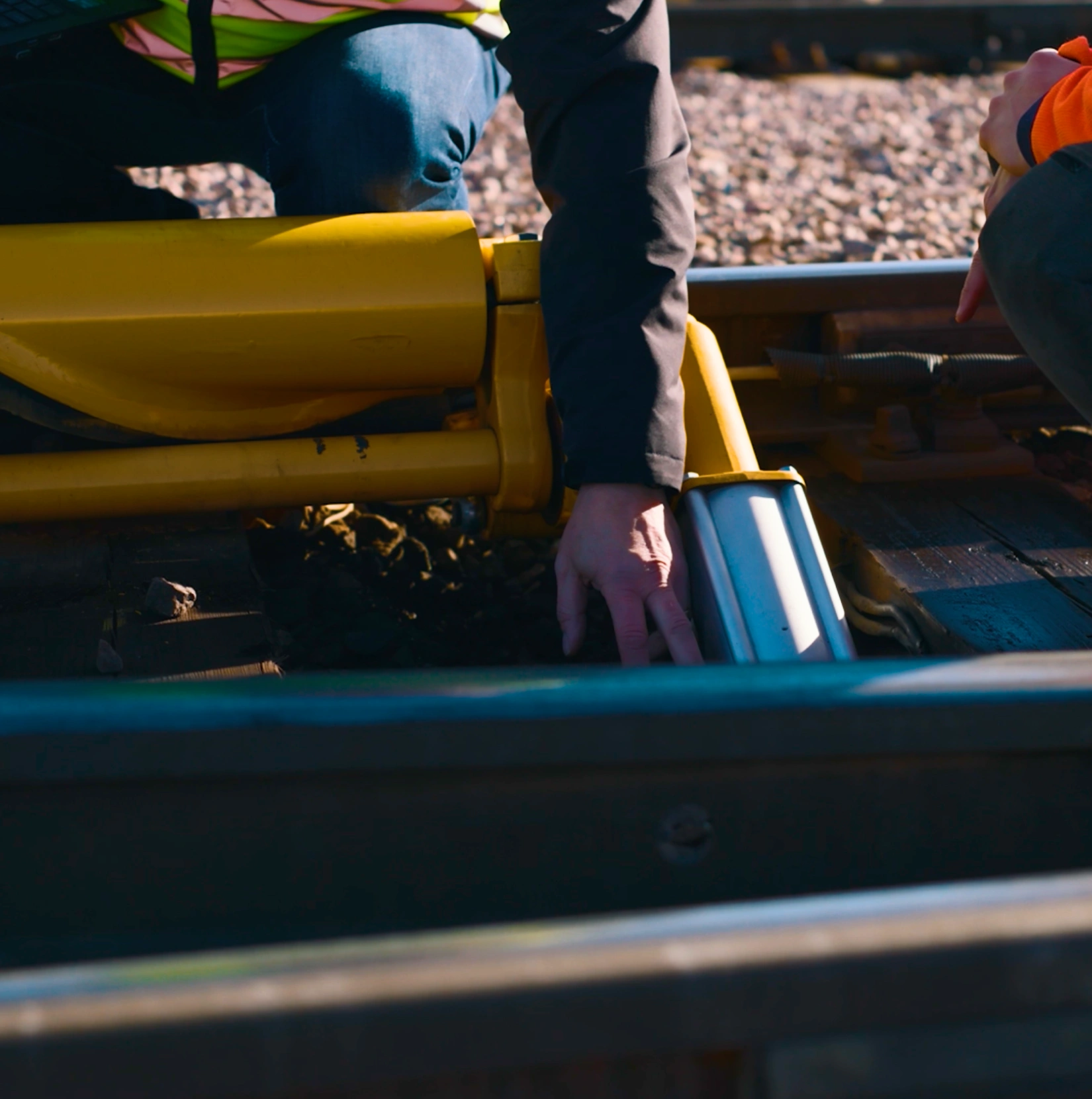
Guiding installation with minimal disruption to yard operations, from start to finish. Our technicians plan the work together with you and your contractors, so it can be carried out in stages while traffic keeps moving.
We are on site to support assembly, check that every retarder is fitted correctly and resolve questions straight away. The goal is a yard that keeps working throughout. Once installation is complete, we move on to commissioning and training.
Commissioning and team training
Activating the system and training your team to run it with confidence from day one. We test the retarders in operation, fine-tune the settings to real conditions and verify that the whole yard performs as planned.
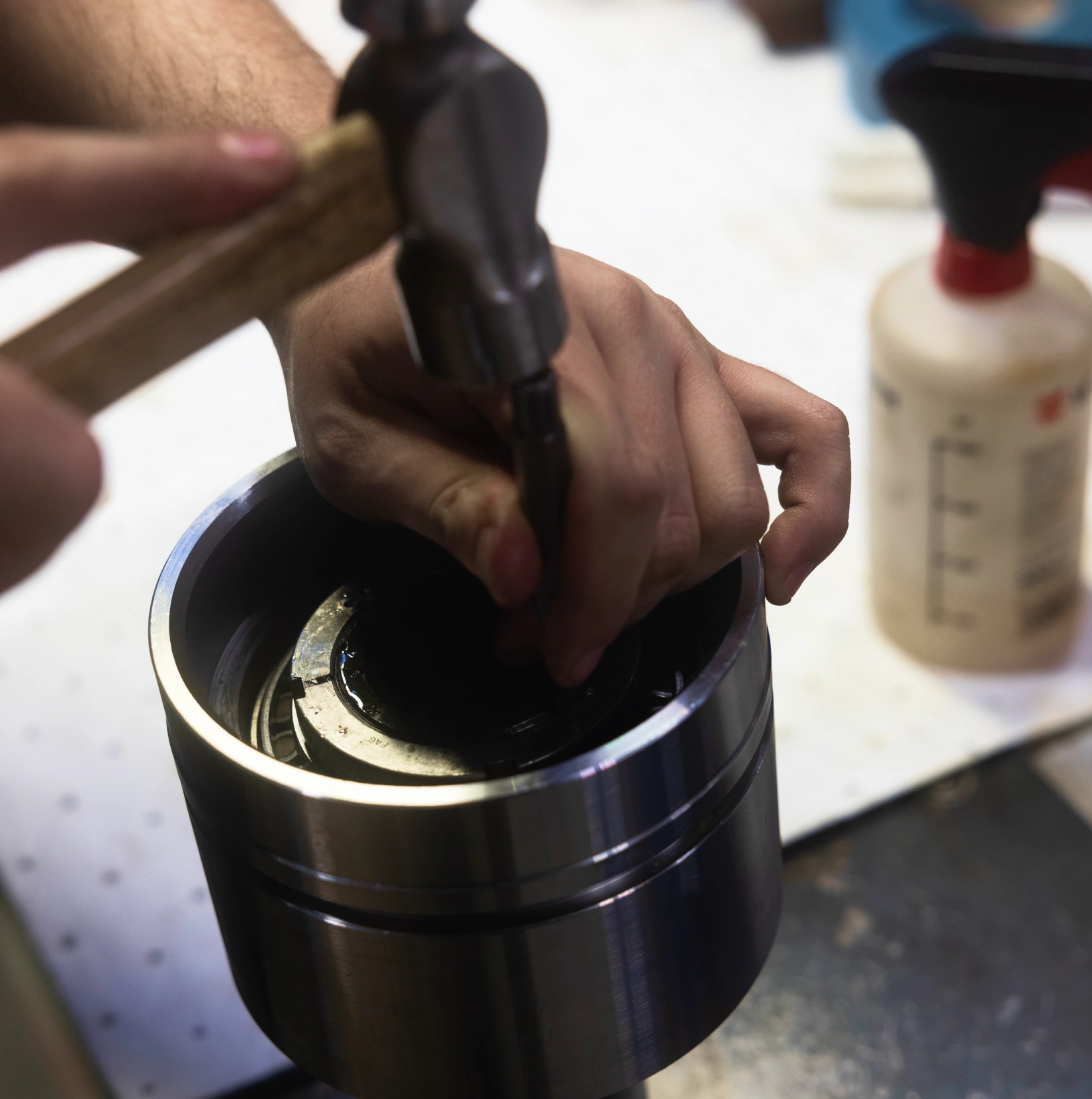
At the same time, we take your staff through operation, inspection and maintenance, so they feel confident with the system and know exactly how to look after it. After that, the yard is ready for full operation, with a team that knows the system inside out.
Lifecycle support and spare parts
Ongoing technical support and parts, for as long as the system is in use in your yard. The system is built to last for decades with minimal maintenance, and we remain your partner throughout its lifetime.
We help with service, component refurbishment and spare parts, and are on hand whenever questions come up. That keeps your yard performing at its best, year after year. You always know who to turn to, whatever the question, today and in the future.
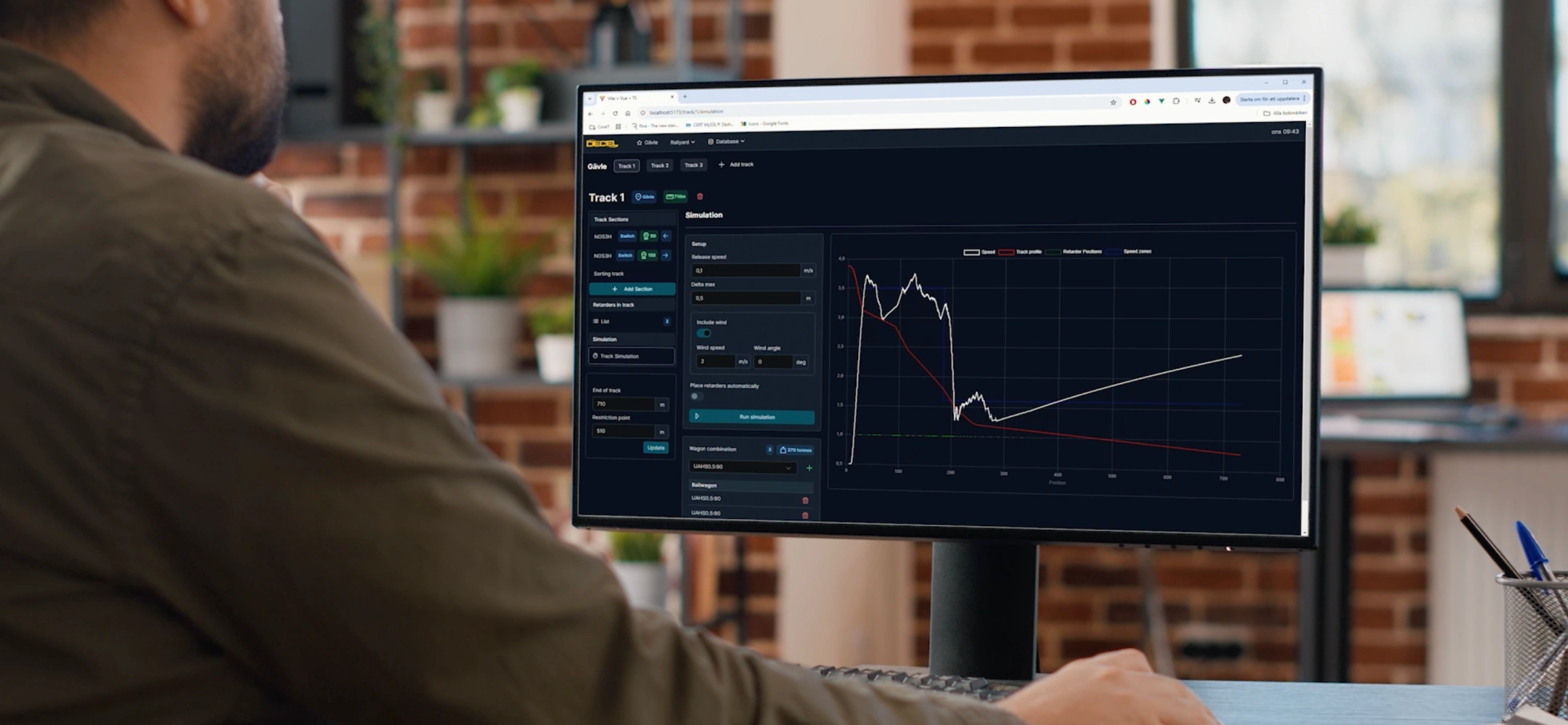
In-house simulation software
Every track simulated, every retarder zone optimised
We use our own advanced software to simulate every track and every type of wagon through the entire yard, optimising speeds and retarder zones. You don't need to be the expert – we are.
Before and after
DECEL solution
Staff work trackside, close to wagons in motion, to manage rail skids manually. This increases the risk of injury with every shift and puts people in harm's way day after day.
Continuous, automatic speed control reduces how often staff need to be near moving wagons at all. Controlled wagon speeds mean less operational risk and a safer working day for everyone.
Rail skids strike each wagon with a single, high-force blow. Wheels, rail, and rolling stock all absorb that shock, run after run. This increases maintenance costs over time.
DECEL's spiral retarder absorbs each wagon's excess energy continuously instead of in one impact. Less wear on wheels, rail, and rolling stock means lower maintenance costs.
Rail skids create bottlenecks at the hump. Every wagon is handled individually, slowing the whole yard down. This in turn limits how much the yard can produce.
Continuous speed control keeps wagons moving predictably through the yard. Customers using DECEL's system have reported productivity gains of 300 to 400 percent.
Other braking methods demand frequent maintenance and shorter replacement cycles. Spare parts, labour and downtime add up, increasing costs year after year over the system's lifetime.
Built for reliable operation with minimal maintenance, DECEL's system lowers the total cost of running a yard over decades, not just per shift. Fewer stops and replacements mean lower costs over time.
Engineered for +50 years to outlast the yard it serves.
Continuous speed control
Excess energy is continuously absorbed when wagon speed exceeds the preset limit, ensuring reliable speed control without complex data systems.
Energy-free braking
No external power is needed at any point during braking, which results in lower energy use and a reduced environmental impact.
Fits your existing rail
Designed for seamless integration with existing rail infrastructure, enabling straightforward installation with only minimal alterations to the track.
Built for extreme conditions
Proven reliable through many years of trouble-free service in some of the coldest and harshest rail yards anywhere in the world.
Sustainability, by design
“For us, sustainability is not only about new technology. It is about designing solutions that operate reliably for decades, require minimal maintenance, and help reduce wear and damage to rolling stock and rail infrastructure. By improving operational efficiency and lowering life-cycle costs, we contribute to more sustainable rail yard operations.”
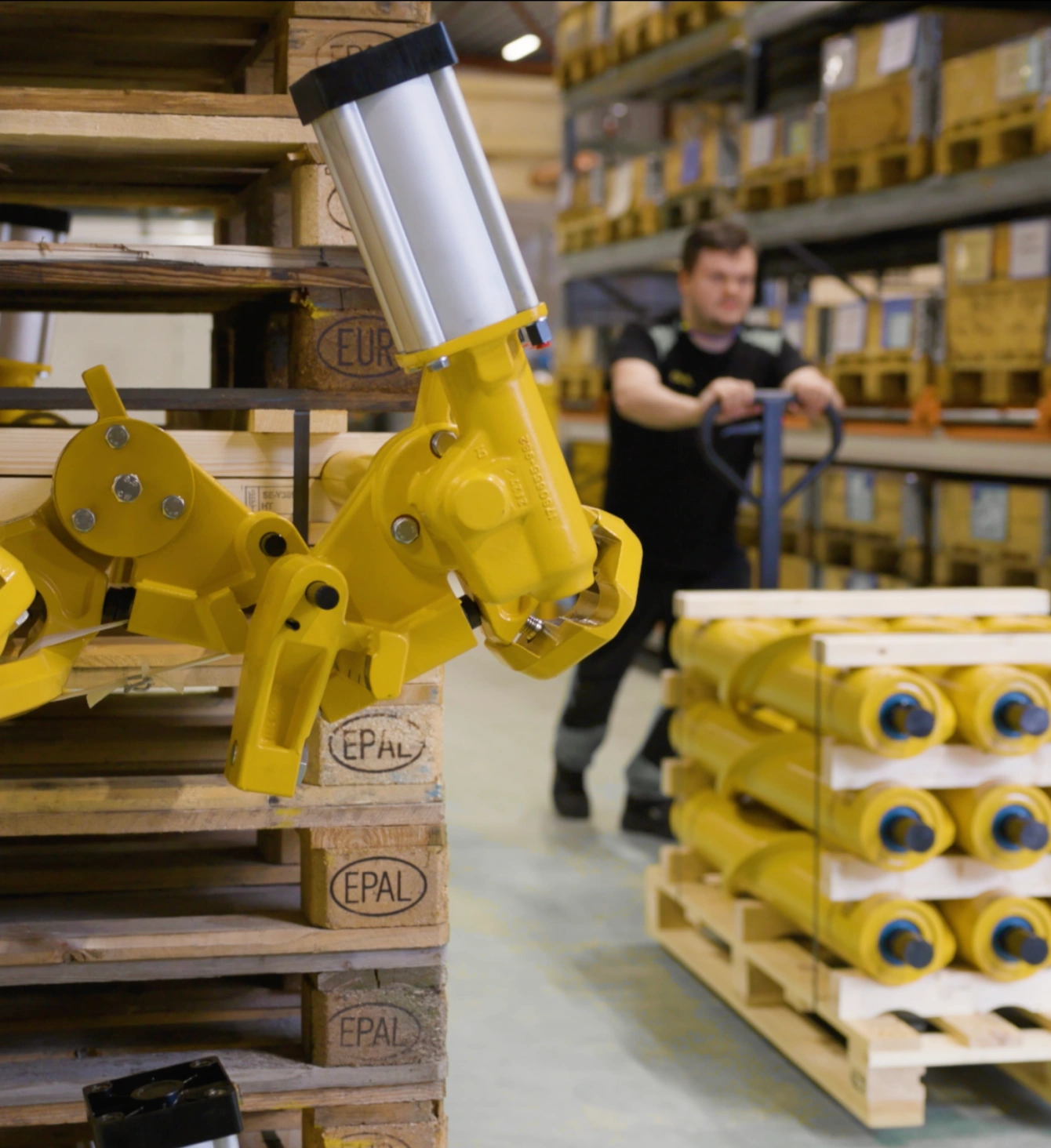
The technology that transforms your yard

Need more information?
Contact one of our experts.
How much maintenance does the system require?
Our retarder technology is designed for long service life and low maintenance requirements, minimizing operational disruptions and life-cycle costs.
Can the system be installed in existing rail infrastructure?
Yes. The system is designed for integration into existing marshalling yard environments with minimal infrastructure modifications.
What operational benefits can be achieved?
Customers typically seek improved speed control, reduced wear, lower maintenance costs, increased safety, and higher yard productivity.
Can the system operate in demanding climates?
The technology is designed for reliable operation in harsh railway environments and has been deployed in a wide range of operating conditions.
How is a typical project delivered?
Projects are delivered through a structured process including site assessment, engineering, simulation, installation support, commissioning, and lifecycle services.