Continuous speed control for rail yards

The technology that transforms your yard
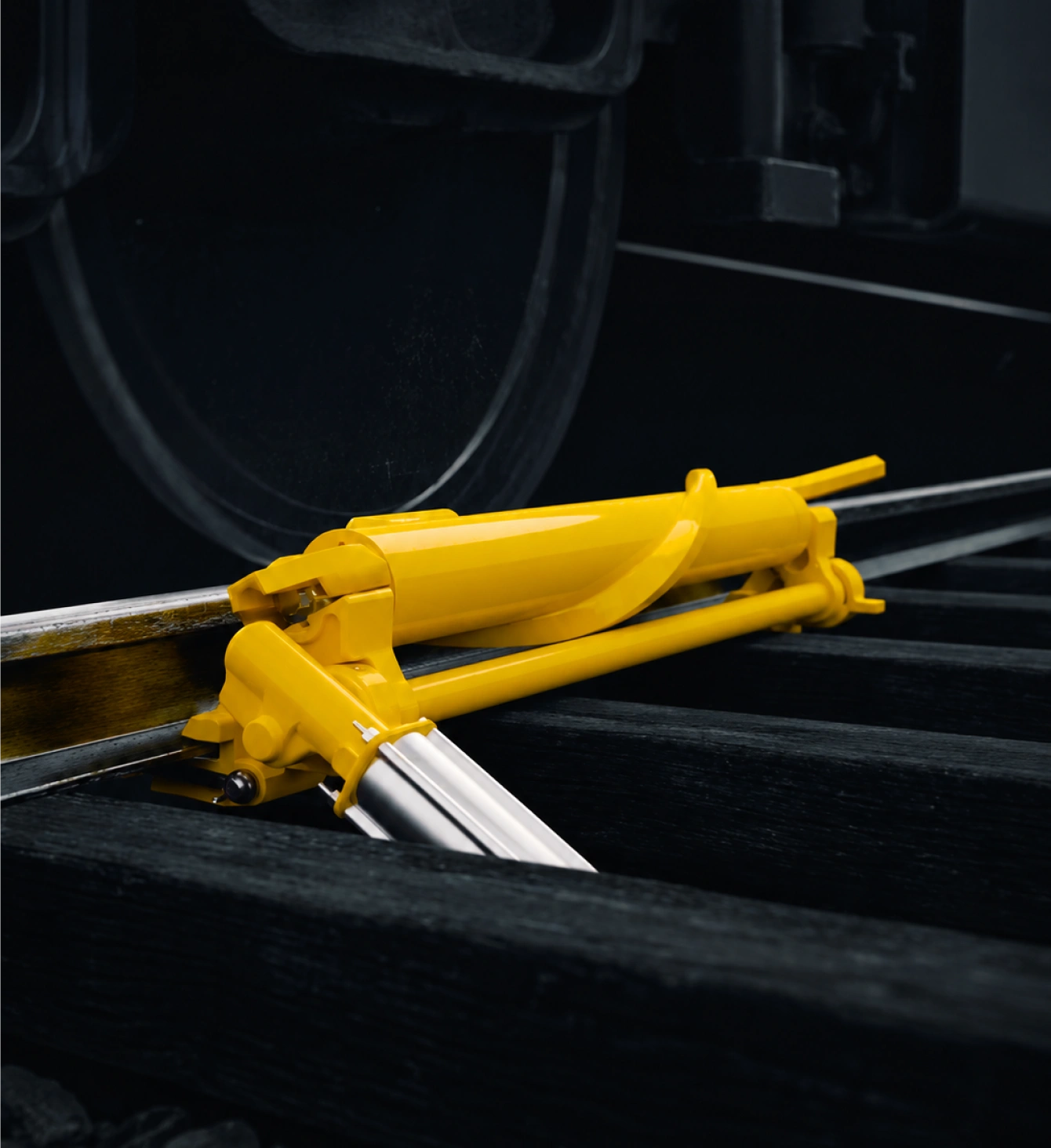
DECEL's continuous speed control system replaces other braking methods with automated, energy-free deceleration. Every wagon is controlled continuously rather than stopped by force, reducing operational risk and increasing yard capacity.
Proven in extreme cold and warm climates alike, the system is engineered for consistent performance wherever it's installed.
300-400% proven productivity gains.
Built for your existing rail. Installed with minimal disruption.
Our system is designed for integration into existing marshalling yard environments, with minimal infrastructure modifications required.
From first site assessment to long-term operation, we work closely with operators, EPC contractors, and integrators to deliver reliable, cost-effective wagon retarder solutions.
See how the retarder works
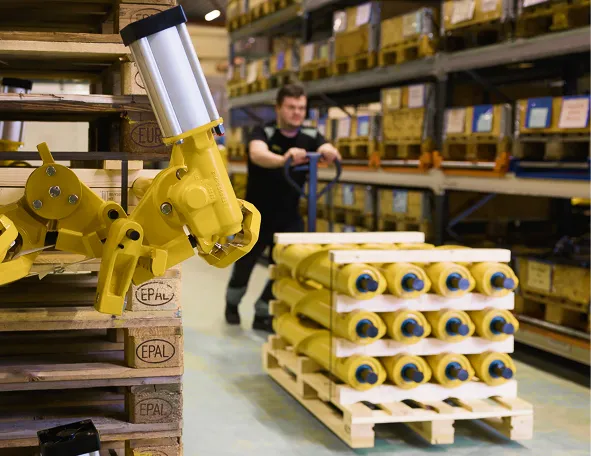
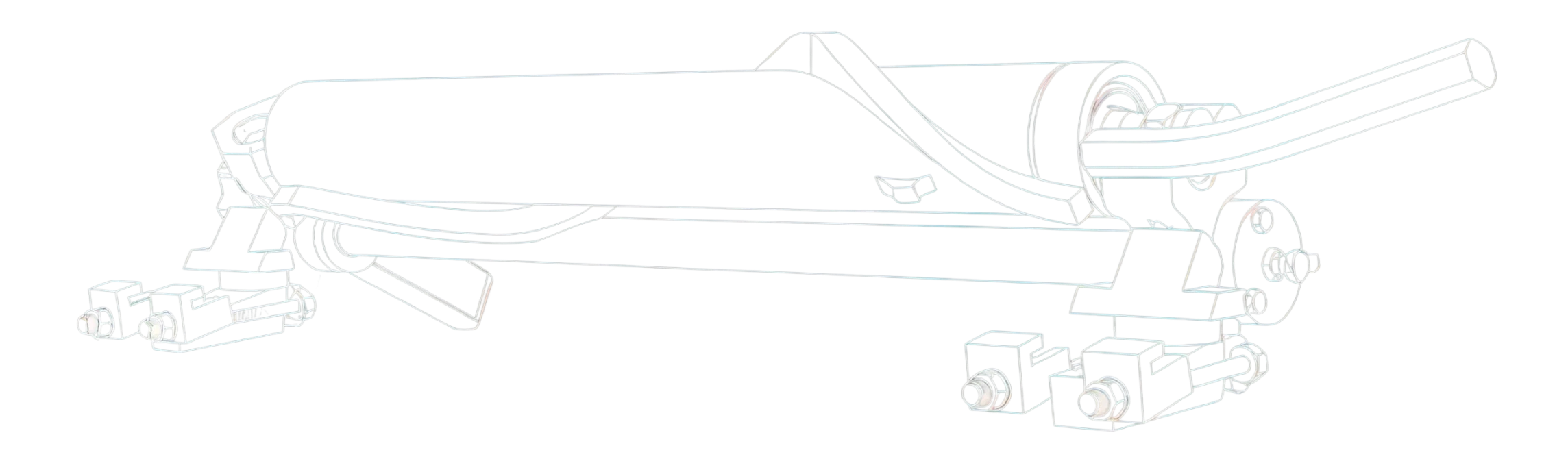
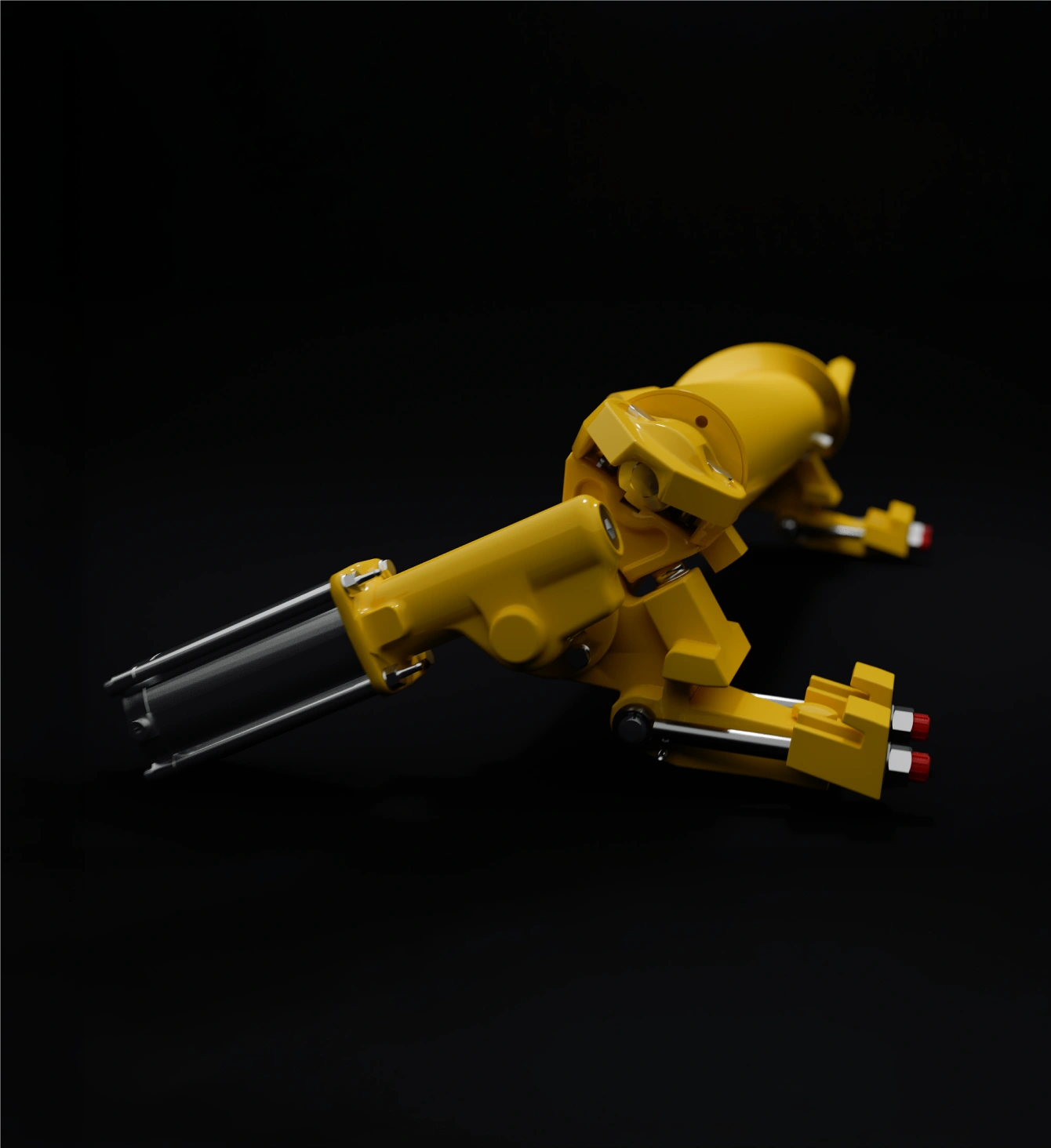
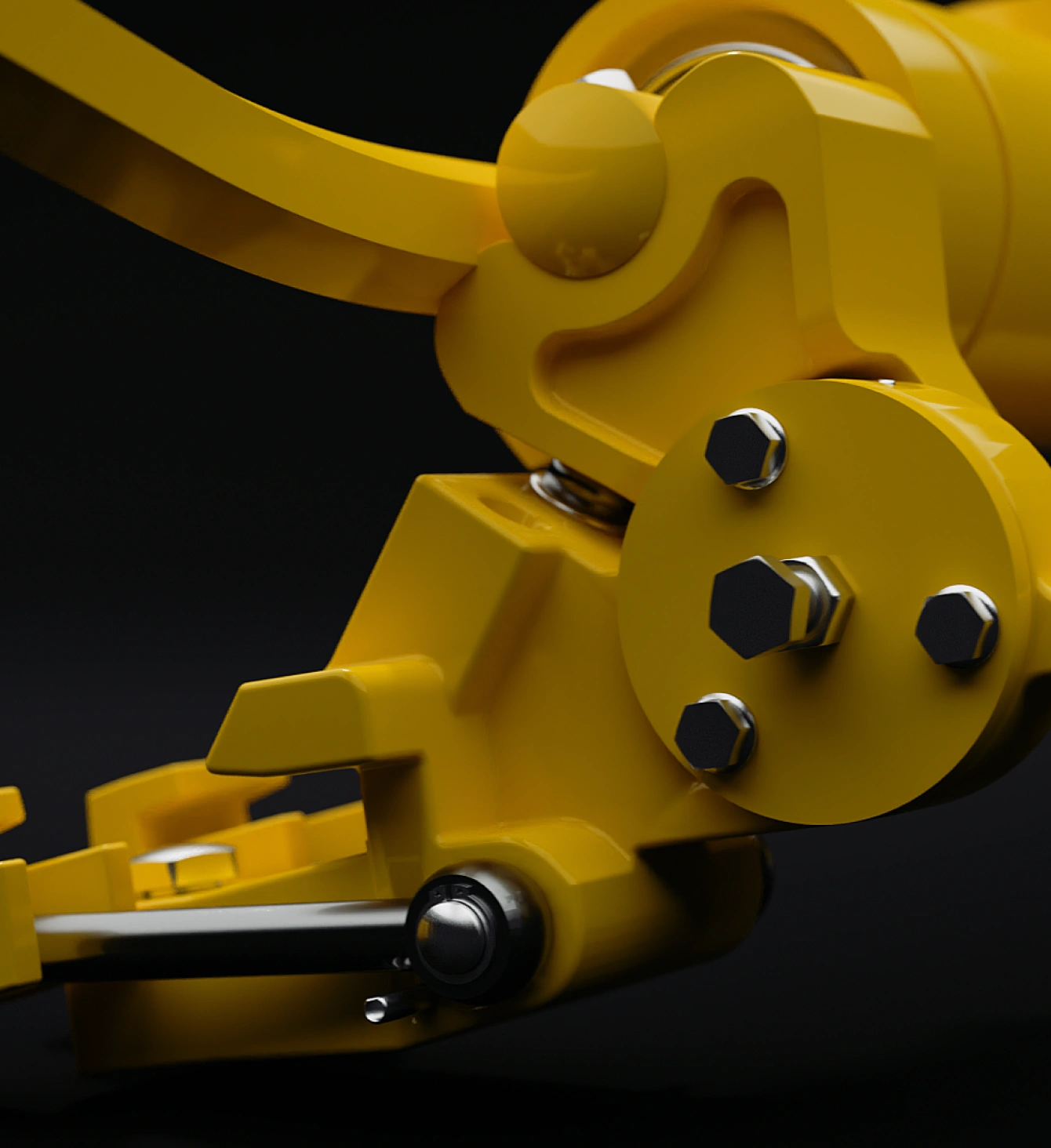
Spiral spring assembly
The core braking mechanism — converts wagon wheel momentum into controlled deceleration without any external power source.
Rail mounting bracket
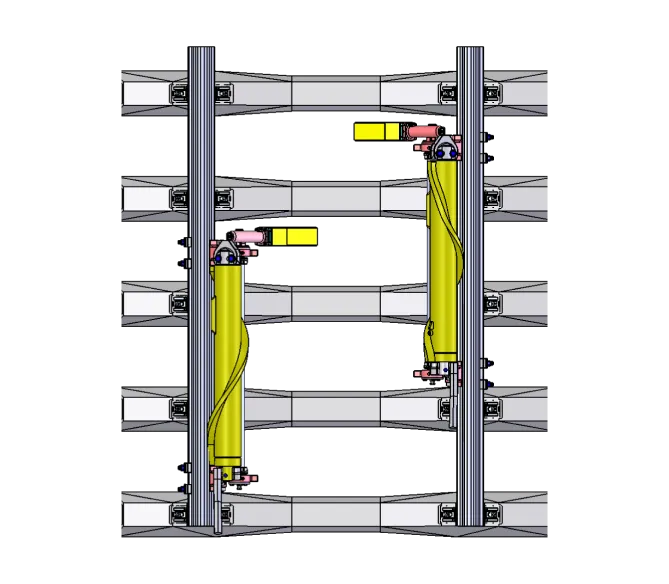
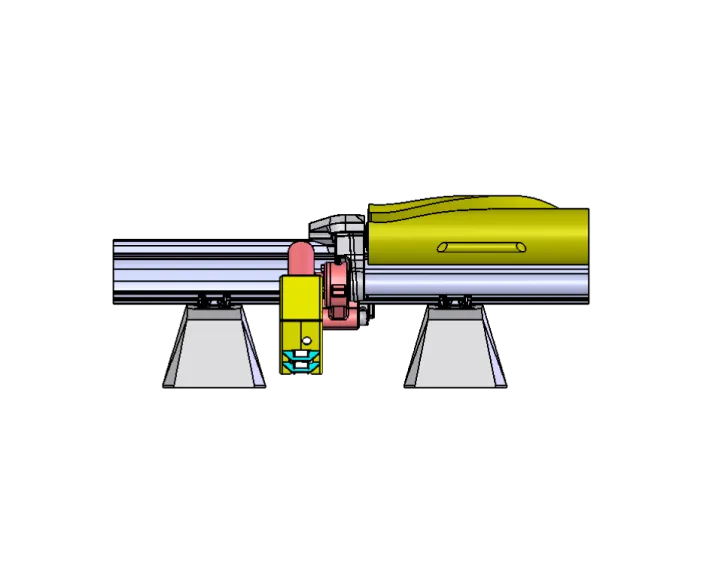
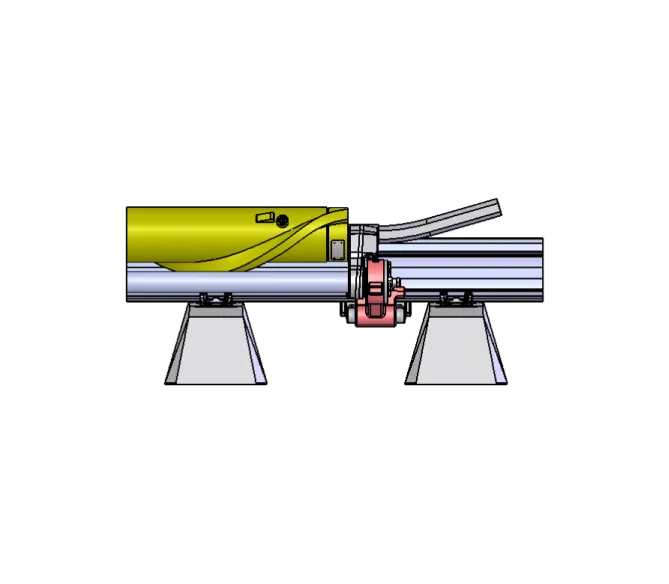
Heavy-duty end brackets secure the spiralbrake to standard rail profiles — compatible with SJ50, K54, and UIC60 rails.
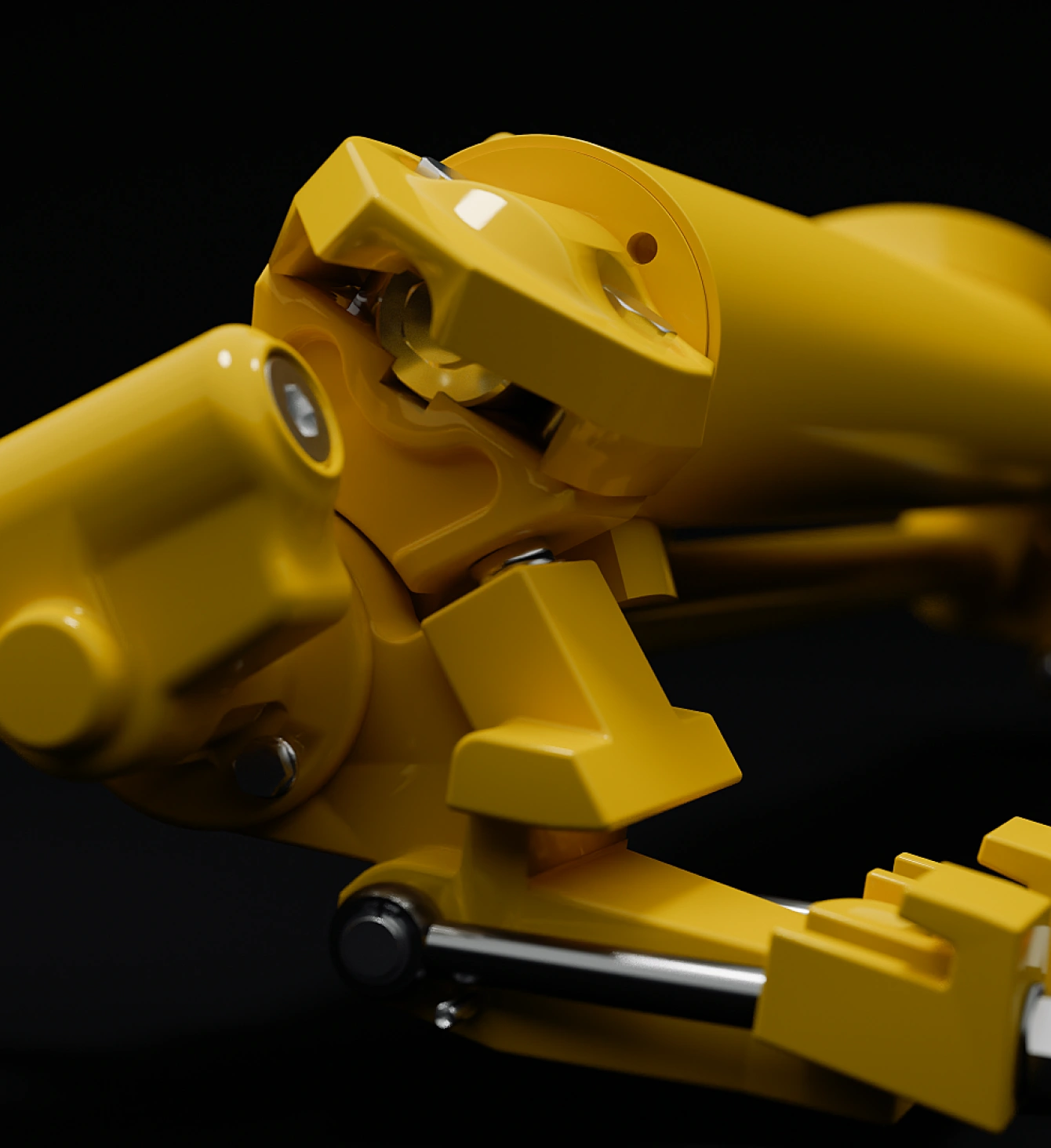
Friction braking surface
Hardened steel contact plates deliver consistent friction against wagon wheel flanges — ensuring smooth, repeatable deceleration in all weather conditions.
Calibration mechanism
Precision mechanical adjustment system allows operators to fine-tune braking force to match wagon load requirements and specific yard conditions.
Specifications
Technical specifications
Dimensions & compatibility
Length
approx. 2 m, including stand
Weight
approx. 200 kg, including stand
Rail profiles
UIC50, UIC54, UIC60/60E, R50, R65, S49, SJ50, K54 and more
Wagon weight
14 to 100 t
Mounting
Directly on the rail web, no foundation needed
Braking performance
Braking principle
Hydraulic and speed sensing, independent of friction and wheel size
Max braking energy
10.5 kJ per wheel pass
Speed accuracy
Within ±5% of the pre-set speed
Brake release
At approx. 85% of the pre-set speed
Max entry speed
7.0 m/s (25.2 km/h)
Operation & environment
Activation
Electric or pneumatic (air)
Power consumption
0 during braking
Operating temperature
−40 °C to +40 °C
Hydraulic fluid
Environmentally friendly synthetic oil
Service life
40+ years with DECEL service and repair
Certifications
ISO 9001, ISO 14001
Building to deliver real, measurable impact
Join a team where your work directly changes how rail yards run safer, faster, and with less waste, worldwide.
Real engineering, real impact
Every system you help build ends up solving a problem for someone else’s yard. Your work has a visible, measurable outcome, not just a line on a spec sheet.
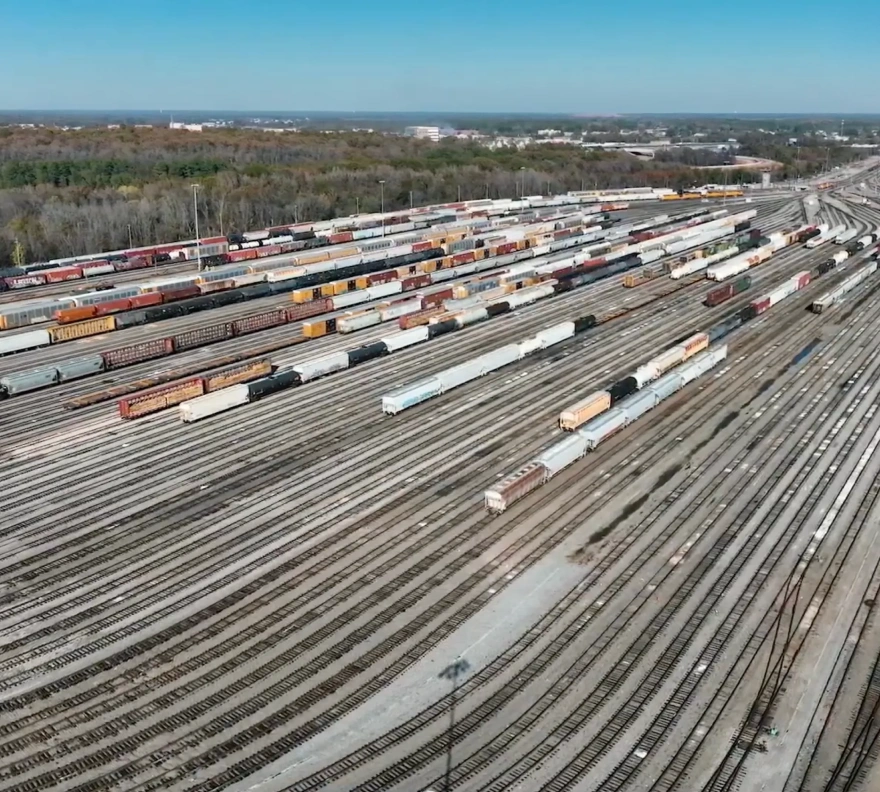
A team that stays close
Small enough that you’re never far from the people making decisions, and close enough to the field that you see your work in action.
Growing, globally
With projects expanding across Europe and Central Asia, there’s real room to grow, and to see your work matter in more places over time.
A global leader in engineering the future of hump yard technology















Huvudkontor

Our continuous speed control systems are installed across Southern Europe and Central Asia, helping rail operators run safer, more efficient yards in both cold and warm climates, with a reported 300-400% productivity gain.
The technology that transforms your yard

Need more information?
Contact one of our experts.
How much maintenance does the system require?
Our retarder technology is designed for long service life and low maintenance requirements, minimizing operational disruptions and life-cycle costs.
Can the system be installed in existing rail infrastructure?
Yes. The system is designed for integration into existing marshalling yard environments with minimal infrastructure modifications.
What operational benefits can be achieved?
Customers typically seek improved speed control, reduced wear, lower maintenance costs, increased safety, and higher yard productivity.
Can the system operate in demanding climates?
The technology is designed for reliable operation in harsh railway environments and has been deployed in a wide range of operating conditions.
How is a typical project delivered?
Projects are delivered through a structured process including site assessment, engineering, simulation, installation support, commissioning, and lifecycle services.