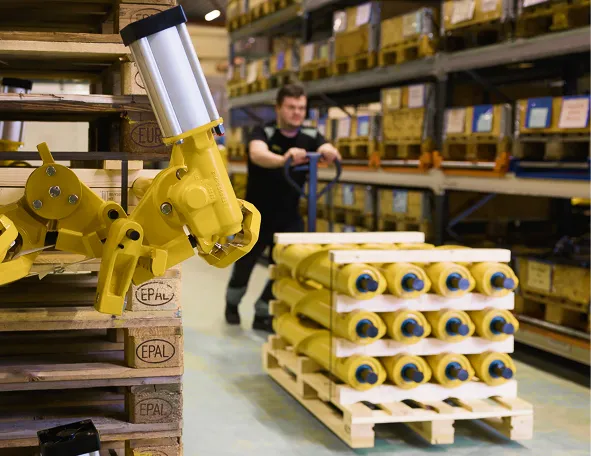
DECEL takes part in the EU Global Gateway summit in Brussels
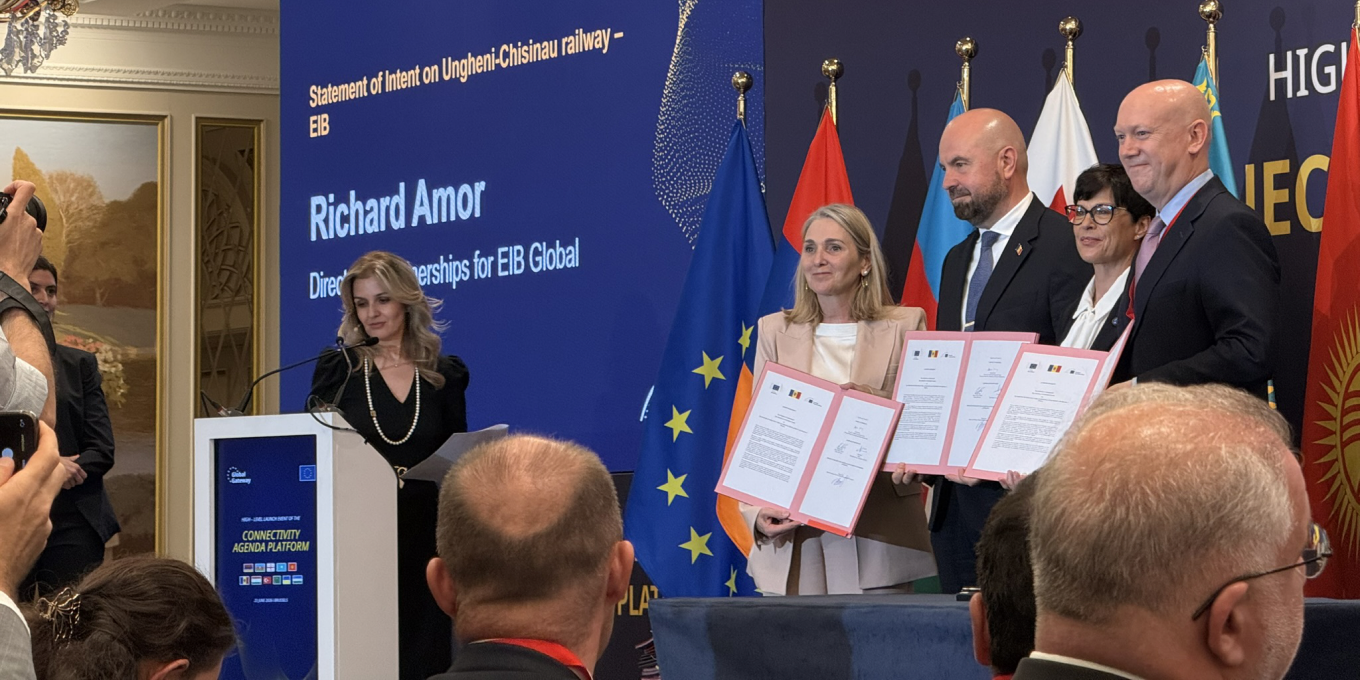
What Global Gateway is
Global Gateway is the EU's initiative to strengthen sustainable, secure and efficient connections between Europe and Asia through investment in transport, energy and digital infrastructure. A central element is the Trans-Caspian transport corridor, also known as the Middle Corridor, which runs via the Black Sea and the South Caucasus and has become a strategically important link between Europe and Central Asia.
Who took part
The meeting brought together the European Commission, ministers from EU member states, transport authorities, railway operators, industrial companies and international financial institutions. Participants included representatives of Kazakhstan, Uzbekistan, Kyrgyzstan, Tajikistan and Turkmenistan, alongside the countries along the corridor via the Black Sea and the South Caucasus.
The European Investment Bank (EIB) and the European Bank for Reconstruction and Development (EBRD) also attended. Together with the Commission, they are working on financing the investments along the corridor. At the Global Gateway Investors Forum for EU-Central Asia transport connectivity in January 2024, commitments of EUR 10 billion were announced to develop the corridor.
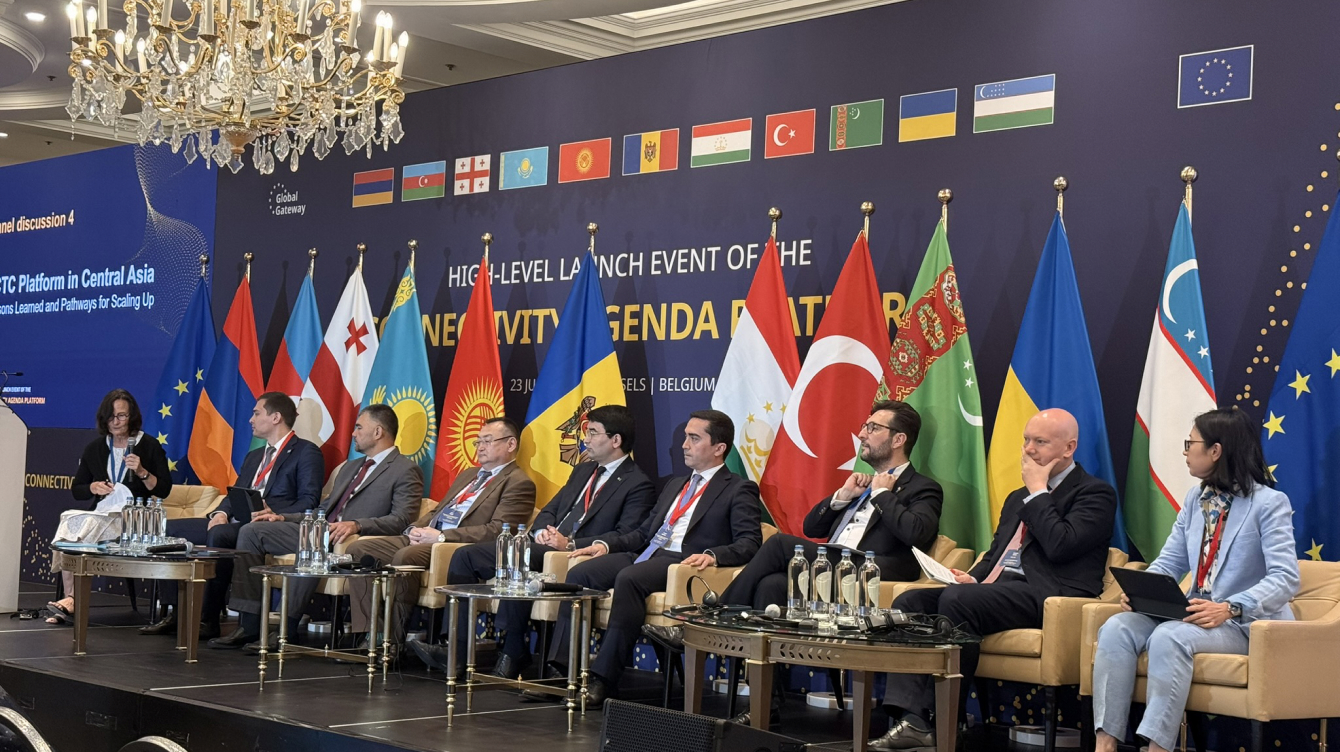
The discussions: capacity along the corridor
Discussions focused on how capacity along the corridor can be strengthened in the coming years: modernisation of rail infrastructure, digitalisation, more efficient logistics chains and investment in strategic transport hubs and freight terminals.
Why the yards are decisive
For DECEL, taking part was relevant for a clear reason. Future capacity is not decided by new lines, ports and terminals alone, but by how efficiently the existing marshalling yards and freight hubs perform. Even modern main lines are constrained by inefficient shunting and bottlenecks in the yards.
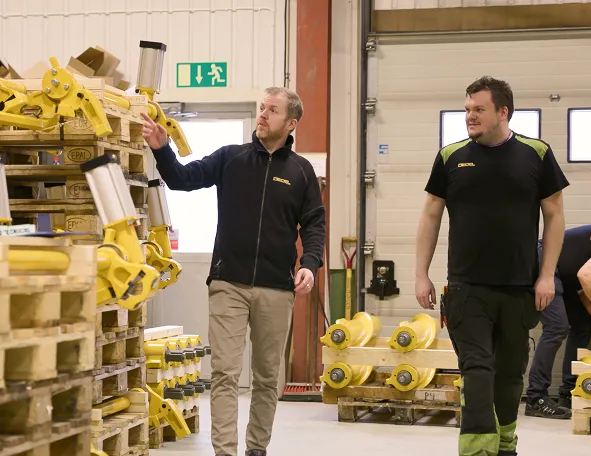
DECEL contributes retarders, automated wagon speed control and yard automation. The technology gives safer shunting, less wear, higher capacity and more predictable freight flows. When existing infrastructure is used better, investment in new corridors delivers more. Read more about what is shaping the future of marshalling yards.
DECEL in Kazakhstan
DECEL has a growing presence in Kazakhstan and works on projects to increase safety and productivity in the country's yards. The work includes analysis, simulation and modernisation of shunting processes. One example is the complete braking system tested at a marshalling yard in Kazakhstan for more than a year.
As trade between Europe and Central Asia grows, so do the demands on efficient railway systems. For the whole corridor to work, new routes are not enough; modern, high-performing marshalling yards are needed as well. DECEL can contribute Swedish technology and experience that strengthens capacity where it is often most critical. We have a proven system that lets us quickly upgrade the capacity of existing yards without enormous investment.
Niklas Hörnell, CEO, DECEL
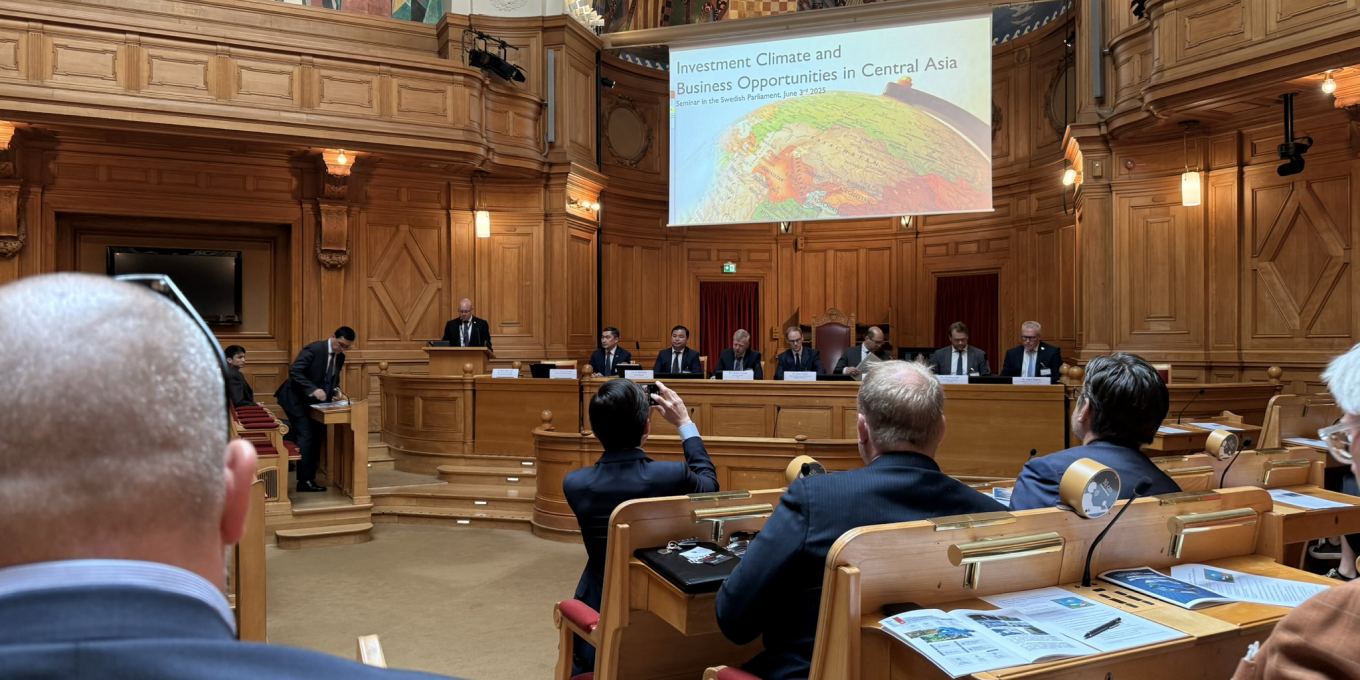
Taking part in the summit is part of DECEL's long-term work in the region, which was also highlighted at the Swedish Parliament seminar on business opportunities in Central Asia.
About the author

Niklas Hörnell
CEO
Niklas Hörnell is the CEO of DECEL, which manufactures retarders and control systems for marshalling yards in Överhörnäs, Sweden.
Niklas Hörnell
CEO
The technology that transforms your yard

Need more information?
Contact one of our experts.
What is the Middle Corridor?
The Trans-Caspian transport corridor, a rail and sea route between Europe and Central Asia via the Caucasus and the Caspian Sea. It is a central part of the EU's Global Gateway investment in connections between Europe and Asia.
Why are marshalling yards a bottleneck in freight corridors?
Freight wagons are sorted and recoupled in marshalling yards. If shunting is slow or unsafe, the capacity of the whole corridor is limited, however modern the main line is.
How does DECEL contribute to corridor capacity?
With retarders, control systems and yard automation that give safer, faster shunting in existing yards, without rebuilding the whole facility.