Training for operations and maintenance staff: why it is essential for safe shunting
Why training is part of the delivery
Retarders sit in the track for decades. During that time staff change jobs, routines change and small faults can grow if nobody recognises them. Daily, weekly and monthly maintenance is carried out by the yard's own staff and consists mostly of visual checks of the functions. Someone who understands how the system works can tell normal wear from an emerging fault, knows what can be adjusted on site and when a retarder should be sent to DECEL's workshop for repair.
That is why training is part of the delivery, not an option. Before a new system is handed over, DECEL trains the customer's staff and carries out commissioning together with them. The goal is a yard that performs throughout its service life, and that requires the knowledge to be with the people who are on site every day.
What DECEL's training covers
Theory: design, function and dimensioning
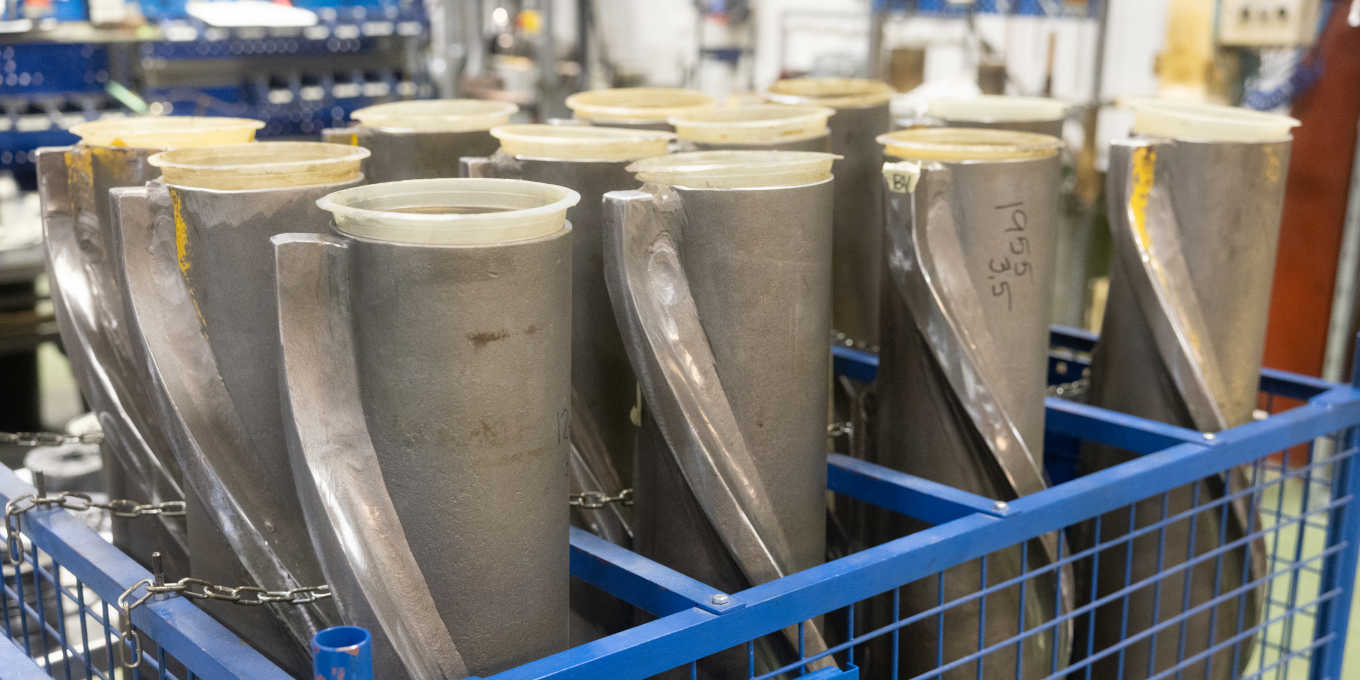
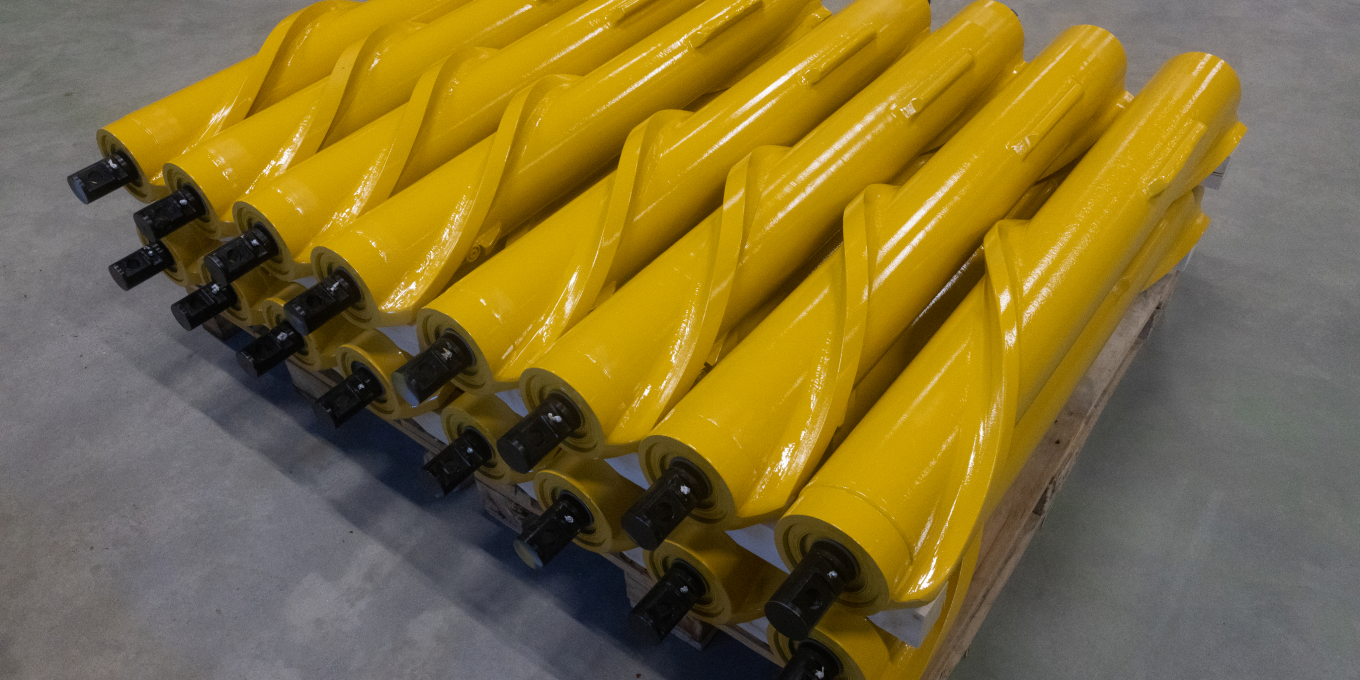
- how spiral retarders, beam retarders and control systems work
- why the retarders are placed where they are and how the number is determined
- how the components interact to give safe, efficient shunting
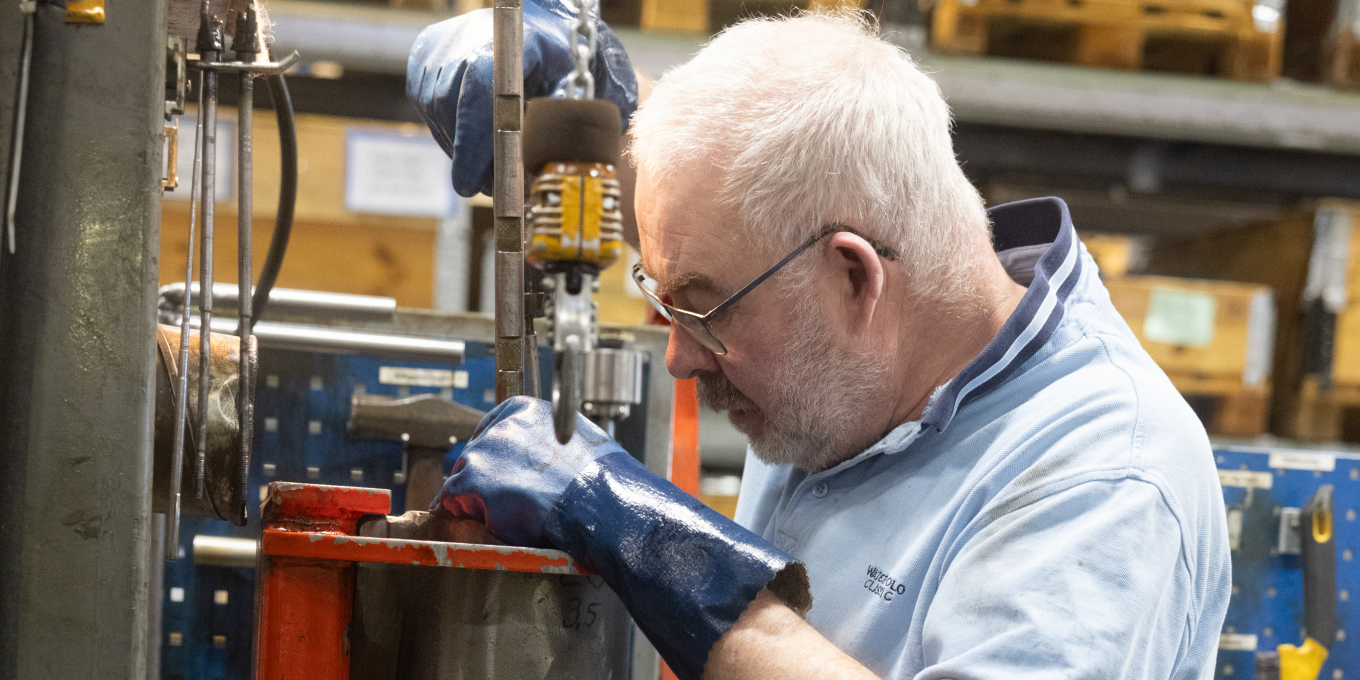
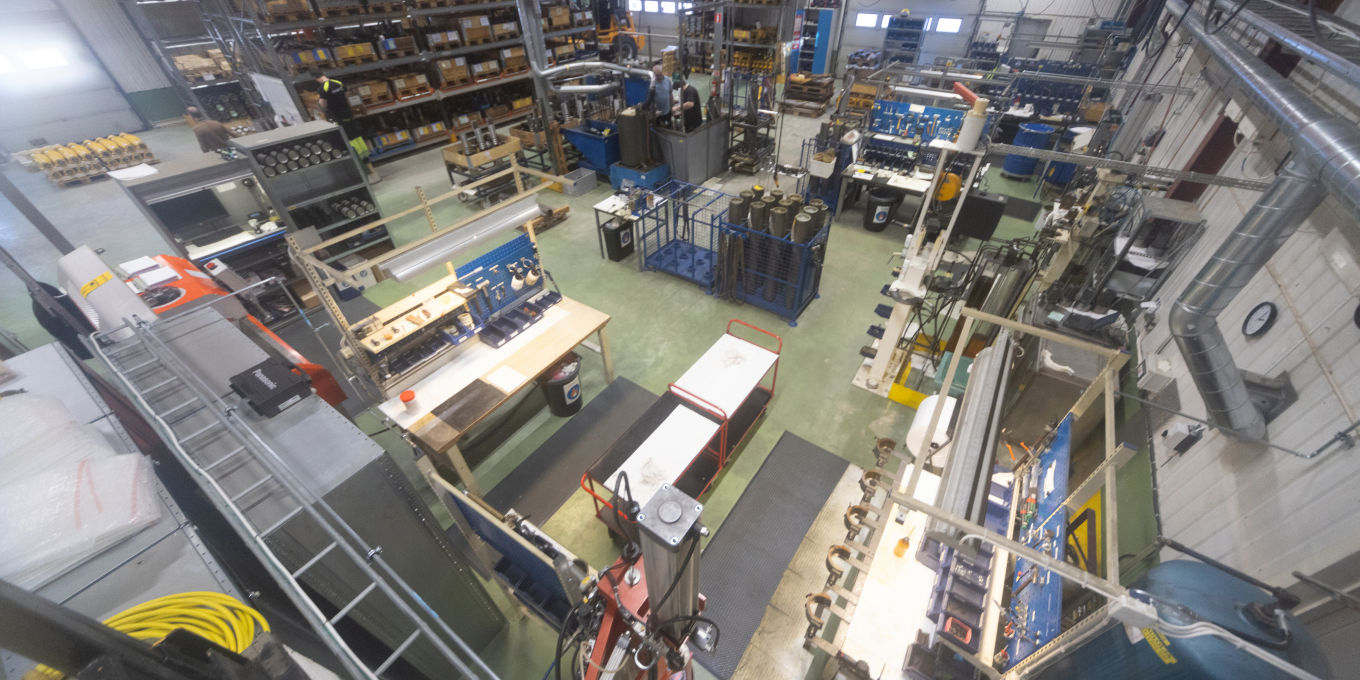
Practice in the workshop
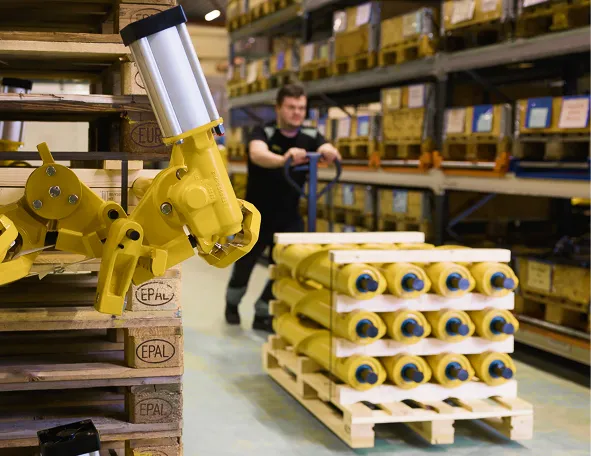
- assembly, refurbishment and testing of braking equipment
- troubleshooting: what happens when a retarder does not brake as it should
- preventive maintenance and what determines service life
The content is adapted to the facility. A yard with pneumatically controlled beam retarders needs different depth than one with spiral retarders only.
Example: Infranord and Sundsvall marshalling yard
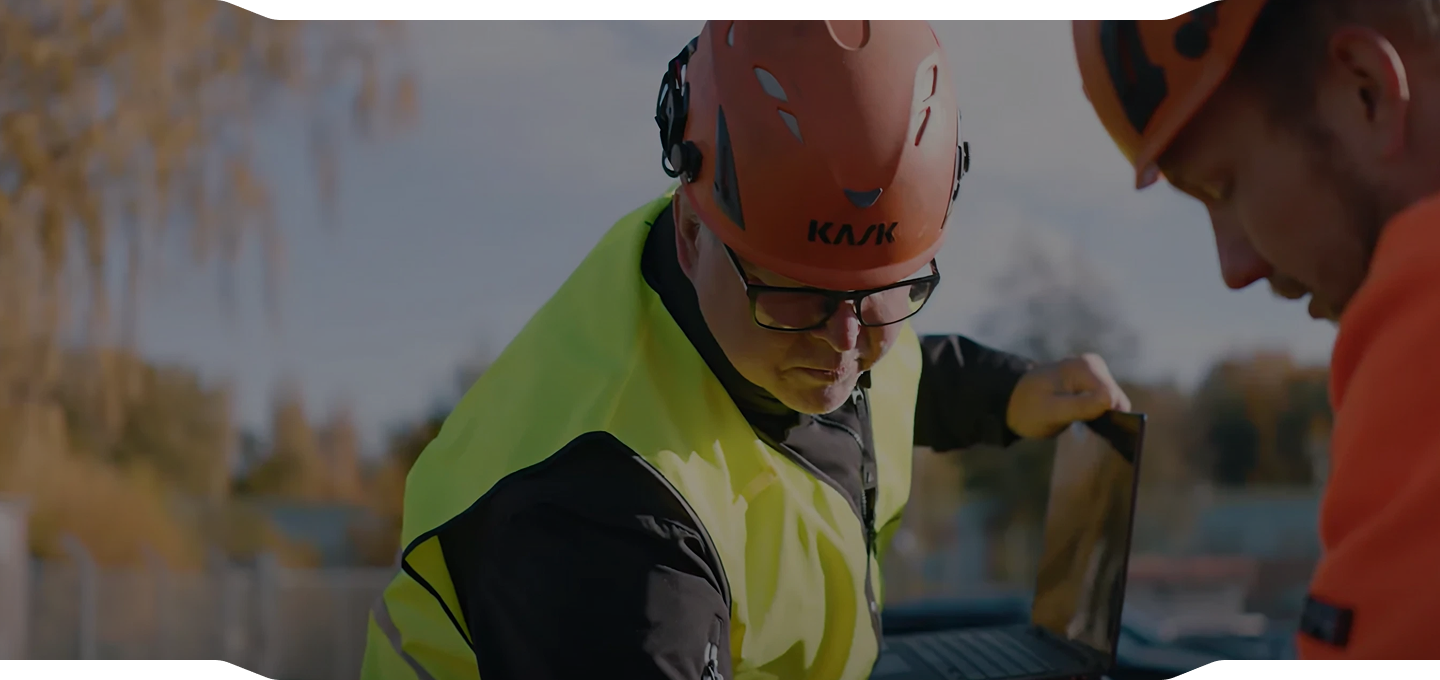
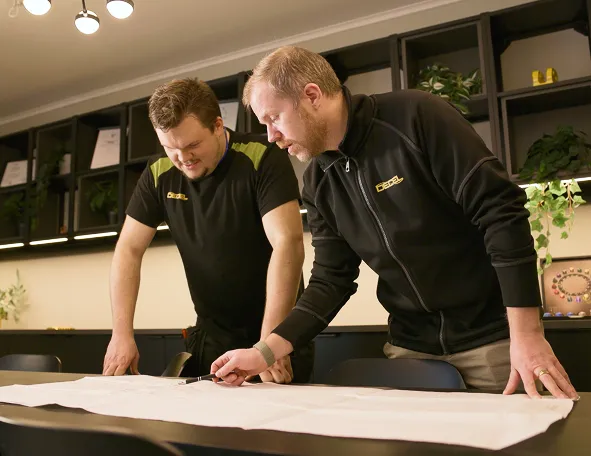
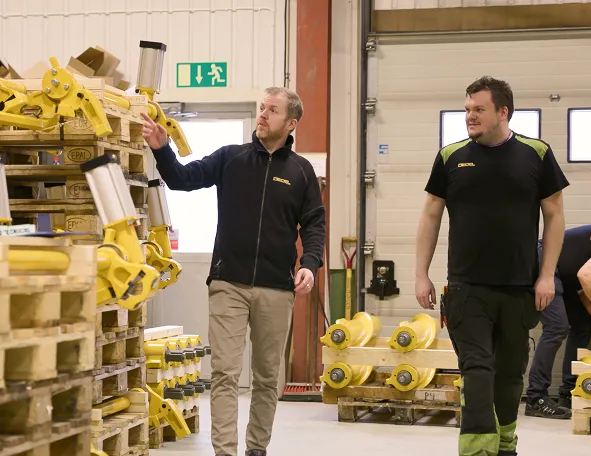
In April 2025, DECEL trained two representatives from Infranord, a Swedish rail maintenance contractor responsible for daily maintenance at Sundsvall marshalling yard on behalf of Trafikverket, the Swedish Transport Administration. The training combined theory with hands-on sessions in the workshop, where participants followed how braking equipment is assembled, refurbished and tested.
Who the training is for
- maintenance staff at contractors such as Infranord
- operations staff and operators in marshalling yards
- technicians at infrastructure managers
- staff at new customers in connection with commissioning, as with the delivery to the marshalling yard in Kazakhstan
The link to safety and regulations
Work environment legislation requires employers to ensure staff have the knowledge needed to work safely. In a yard with automated retarders, that means understanding the system, not just staying out of the track. Read more about safety and regulations in shunting.
Training is also part of how DECEL works long term with customers and maintenance organisations.
About the author

Niklas Hörnell
CEO
Niklas Hörnell is the CEO of DECEL, which manufactures retarders and control systems for marshalling yards in Överhörnäs, Sweden.
Niklas Hörnell
CEO
The technology that transforms your yard

Need more information?
Contact one of our experts.
How long is a DECEL training course?
It depends on the facility and the participants' prior knowledge. Contact DECEL for a programme that suits your staff.
Can training be held at the customer's site?
Yes. DECEL trains both in its workshop in Överhörnäs, where the equipment can be studied as it is assembled and tested, and at the customer's own yard.
Is training included when DECEL delivers a new system?
Yes. Training of the customer's staff is part of the delivery and is carried out together with commissioning, before the system is handed over. After that, in-depth training in maintenance and troubleshooting is offered as part of the long-term cooperation.