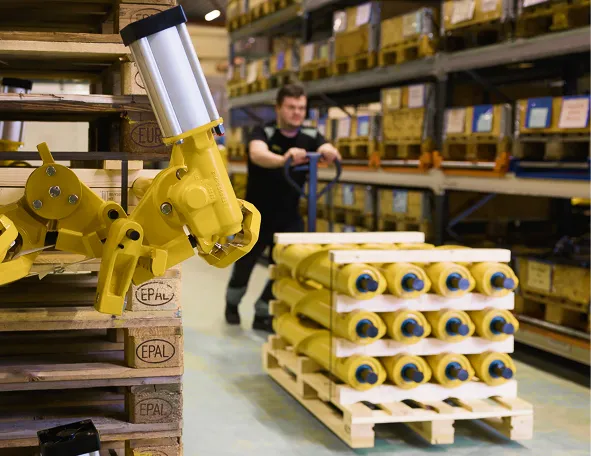
Sustainable shunting: how retarders reduce wear, noise and energy use
1. Less wear on wagons, rails and goods
When wagons roll together uncontrolled, the impacts are hard. That wears couplers, buffers, wheels and rails, and damages goods. Every damaged wagon means repair, spare parts and a wagon standing idle.
Retarders brake each wagon to the right speed before it reaches the row. Coupling is soft, wear is reduced and wagons last longer. At the marshalling yard in Kazakhstan, which handles heavy wagons from a steelworks, reduced mechanical wear on wagons, rails and yard equipment is one of the clearest results after a year in operation.
2. Lower noise
Marshalling yards are often close to housing. Hard impacts between wagons are one of the largest sources of noise. With controlled braking, coupling is quieter. The spiral retarder also works independently of friction between wheel and retarder, so the screeching of friction brakes is avoided. In Gävle, Sweden, where DECEL supplied 960 retarders, wagons have been shunted safely and quietly since 1991.
3. Equipment that lasts for decades and is refurbished
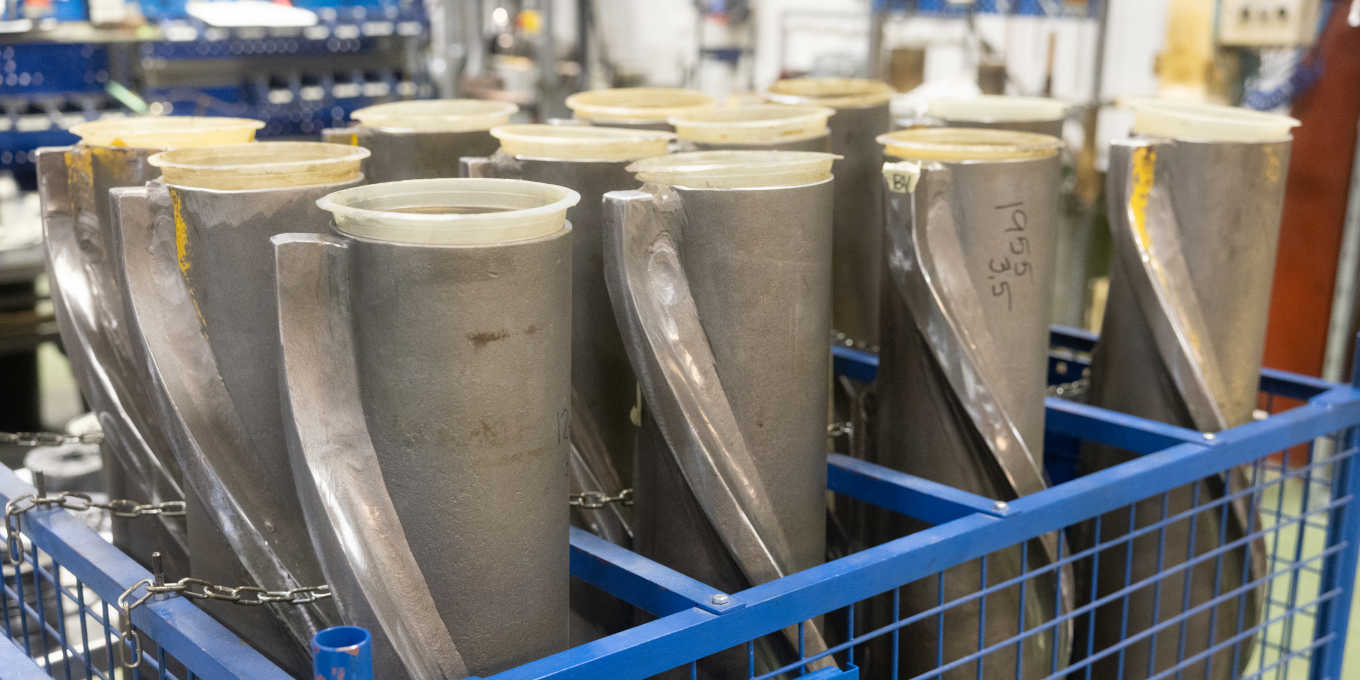
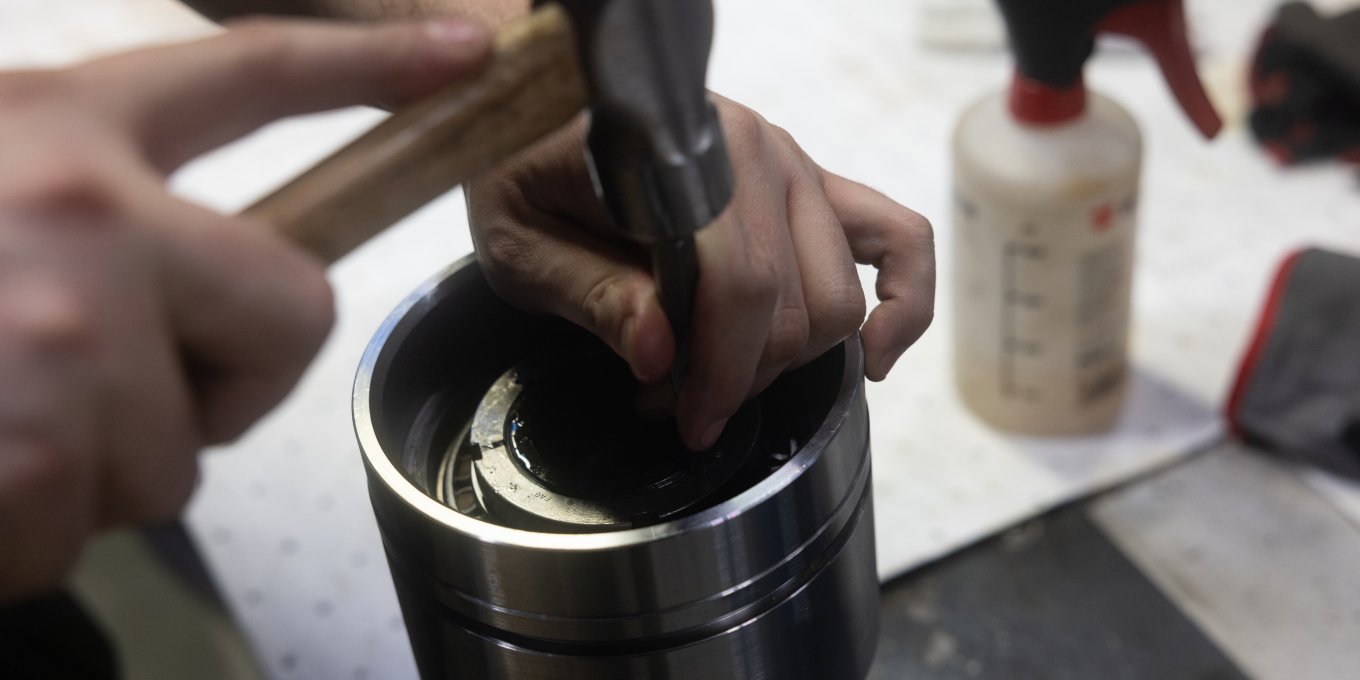
The most sustainable equipment is equipment that does not need replacing. DECEL's retarders are refurbished and tested in the workshop in Överhörnäs and returned to service. As many parts as possible are reused, and every retarder is tested, verified and repainted before it goes back. With service and refurbishment they last more than 40 years. On 1 August 2023, DECEL took over Bosch Rexroth's retarder product line, formerly Hägglunds Drives, and can therefore maintain and upgrade systems installed several decades ago.
4. Braking without energy, and lower energy use in control
The spiral retarder itself uses no energy when it brakes. The wagon's movement turns the brake cylinder, and the braking energy is converted into heat absorbed by the hydraulic oil, an environmentally friendly synthetic oil. No electricity and no compressed air are used to brake the wagon.
Energy is used in the control system, when pneumatically controlled retarders are switched via compressors. Modern control that uses only the compressed air actually needed lowers both energy and air consumption. At Sävenäs in Gothenburg, Sweden, DECEL is supplying new control for 1,500 pneumatic retarders with a sharp reduction in energy use as one of the goals.
5. Local manufacturing and certified environmental management
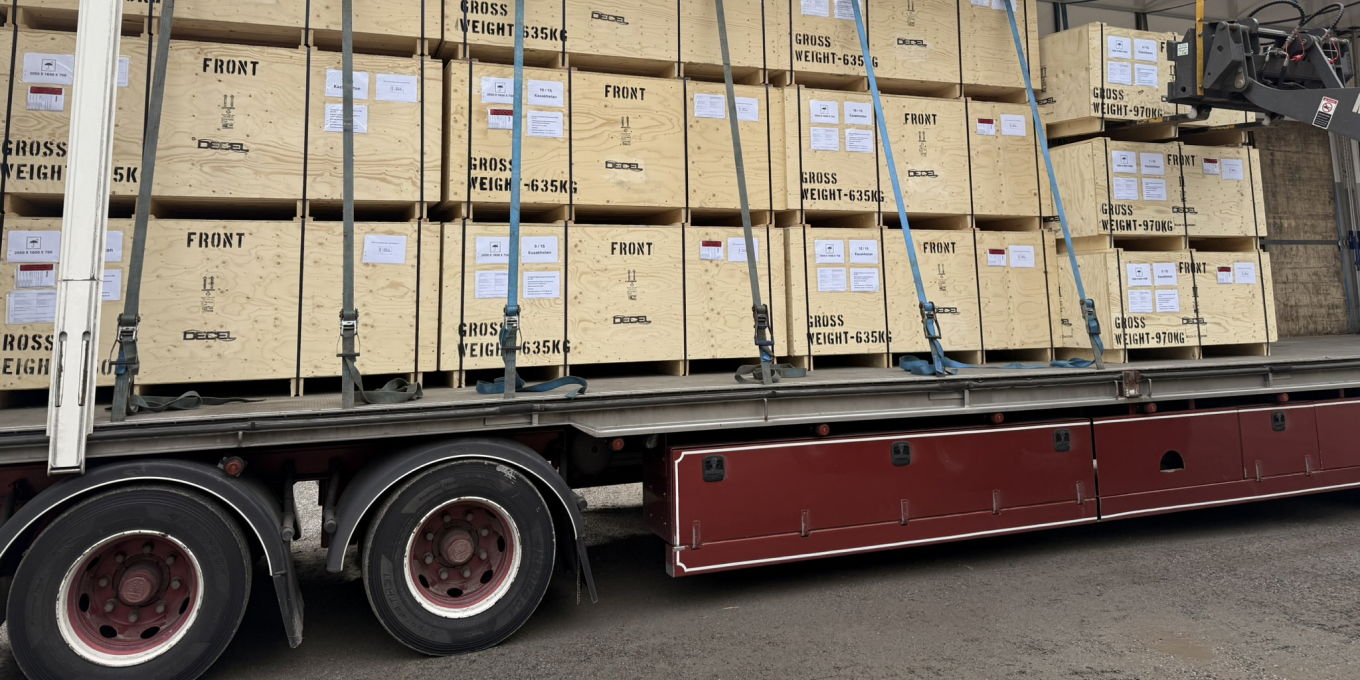
DECEL manufactures in Överhörnäs near Örnsköldsvik, Sweden. For customers in Sweden and Finland that means short transport distances, and refurbishment and spare parts handled close to the yards. DECEL is certified to ISO 14001 for environmental management and ISO 9001 for quality management.
Sustainability as part of capacity
In a marshalling yard, what is sustainable and what is profitable coincide. Less wear means lower maintenance cost. Long service life means fewer investments. Better use of existing yards means more wagons can travel by rail without building new facilities, which is one of the key questions for the freight corridors of the future.
About the author

Niklas Hörnell
CEO
Niklas Hörnell is the CEO of DECEL, which manufactures retarders and control systems for marshalling yards in Överhörnäs, Sweden.
Niklas Hörnell
CEO
The technology that transforms your yard

Need more information?
Contact one of our experts.
How do retarders reduce the environmental impact of a marshalling yard?
Through less wear on wagons and rails, lower noise at coupling, braking without energy consumption, long service life with refurbishment instead of new manufacture, and lower energy use with modern control.
Do spiral retarders consume energy?
No, not when braking. The braking energy is converted into heat in the retarder's hydraulic oil. Energy is only used in the control system when the retarders are switched.
Can old retarders be refurbished instead of replaced?
Yes. DECEL refurbishes and tests retarders in its workshop, including systems from Hägglunds Drives and Bosch Rexroth, and reuses as many parts as possible.
Does shunting cause noise for nearby residents?
Yes, hard impacts between wagons are a clear source of noise. Controlled braking with retarders makes coupling quieter.