
Ånge Marshalling Yard
Region
Ånge, Sweden
Client
Trafikverket
Year
DECEL retarders in service since 1985
Yard type
Hump yard
Classification tracks
32
Scope
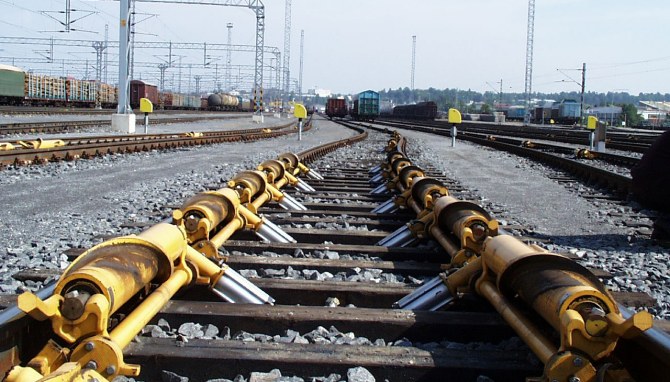
550 retarders with pneumatic system
Status
In operation
DECEL's role
Dimensioning, manufacturing, delivery, technical support and installation assistance
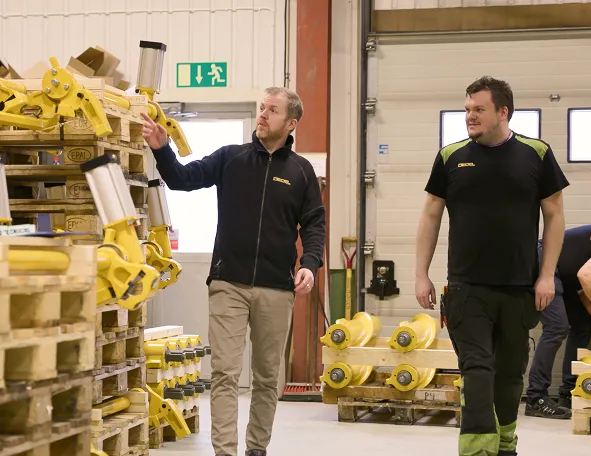
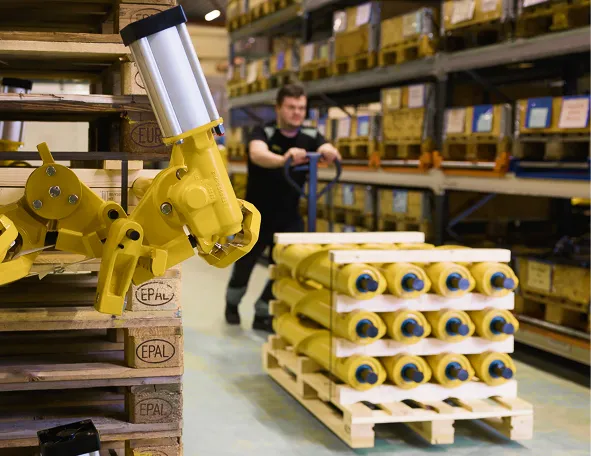
Ånge is Sweden's northernmost marshalling yard and a junction where the Central Line and the Northern Main Line meet, with links to the E14 road and ports on both coasts. From here, freight is distributed between northern, central and western Sweden. DECEL designed and supplied 550 retarders with a pneumatic system for the yard, where DECEL retarders have been in service since 1985 and traffic is expected to grow towards 2040.
Background: a large yard with an important role in the north
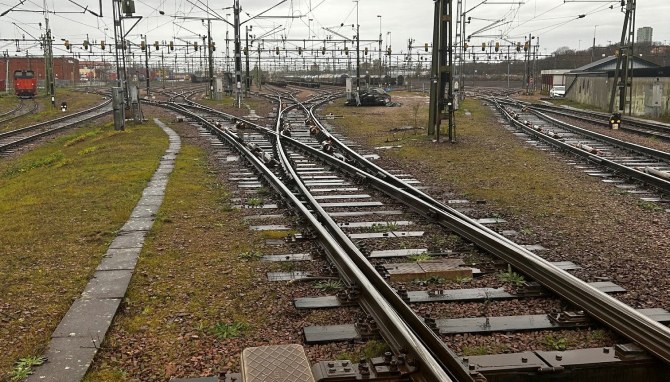
With close to 40 tracks side by side, 32 of them classification tracks, Ånge ranks among the larger freight and marshalling yards in Sweden. Trafikverket, the Swedish Transport Administration, needed a reliable braking solution that could support both daily operations and future capacity needs, in a facility Trafikverket itself identifies as one that must be developed and used more efficiently as traffic grows.
DECEL was chosen for its expertise in retarders, pneumatic systems and continuous speed control, with a solution built for robust operation and a long service life.
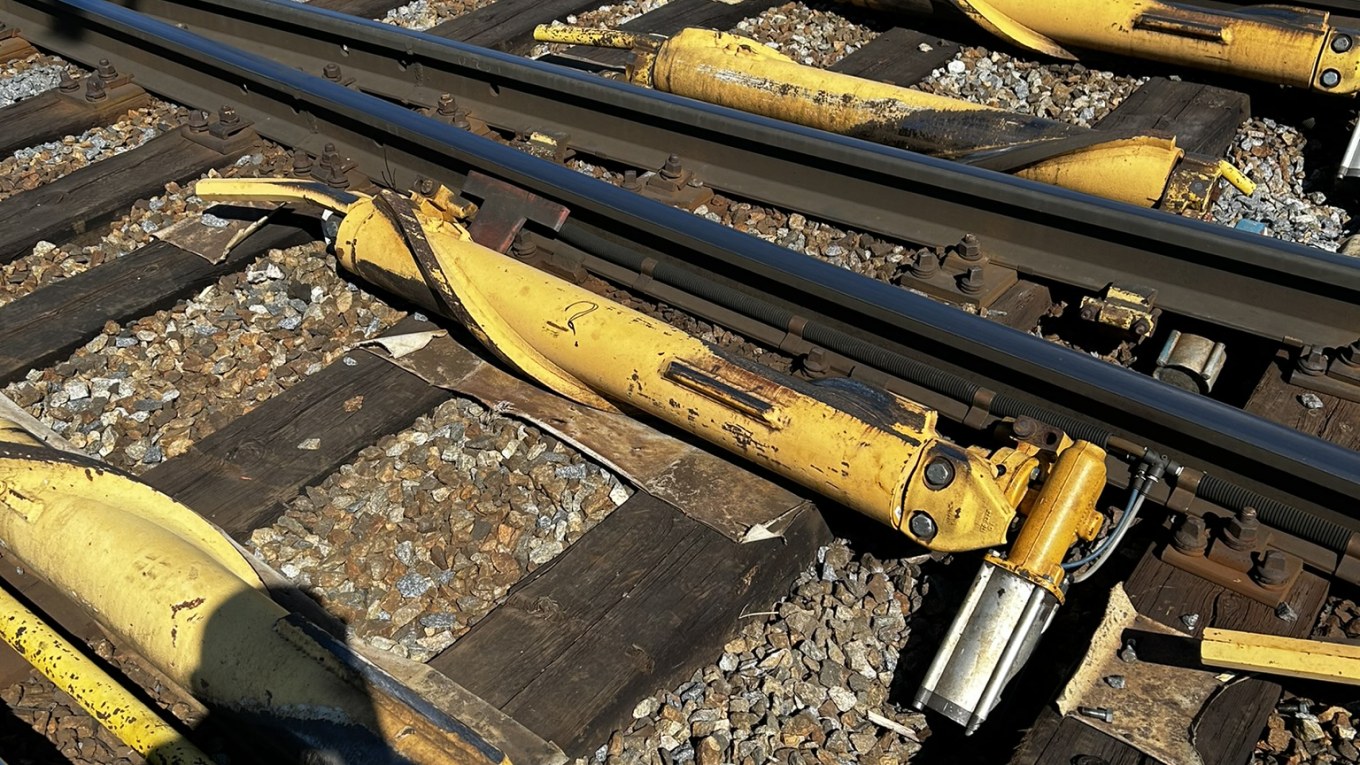
With pneumatic system, supplied and installed
DECEL retarders in service in Ånge since 1985
In one of Sweden's larger marshalling yards
Trafikverket forecasts growing traffic, and the yard is prepared
Even speed control across a large facility
The main challenge was to dimension a braking system that provided safe, even speed control across a large yard where several important transport corridors meet and availability requirements are high. If speed control fails, safety, capacity and efficiency suffer across the whole freight operation, and in a facility whose importance is growing.
550 pneumatic retarders dimensioned for Ånge
The work began with dimensioning based on the yard's layout, track functions and the need for controlled speed. DECEL chose a pneumatic braking solution, a proven technology that delivers robust, controlled performance in large marshalling yards. The 550 retarders were manufactured, supplied and positioned to provide safe deceleration and stable wagon handling throughout the shunting process. DECEL provided technical support and installation assistance through to commissioning.
A yard ready for growing traffic
The installation was completed as planned, and the yard has been in long-term operation ever since. Ånge gained a robust braking system where freight wagons are handled at controlled speed with high reliability. That gives Trafikverket a stable foundation as the yard is used more intensively and traffic grows in the years towards 2040.
See also Gävle Marshalling Yard, in service since 1991, and Helsingborg Marshalling Yard, in service since 1974.
“For us, sustainability is not only about new technology. It is about designing solutions that operate reliably for decades, require minimal maintenance, and help reduce wear and damage to rolling stock and rail infrastructure. By improving operational efficiency and lowering life-cycle costs, we contribute to more sustainable rail yard operations."