
Sävenäs Marshalling Yard
Region
Gothenburg, Sweden
Client
Trafikverket
Year
DECEL retarders since 1983, modernisation ongoing through around 2030
Yard type
Hump yard
Classification tracks
34
Scope
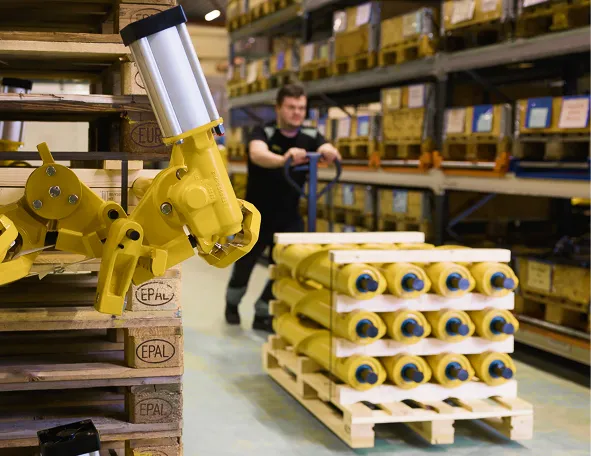
Around 1,500 DECEL retarders with pneumatic system, plus new control
Status
In operation, modernisation ongoing
DECEL's role
Optimisation of the braking system together with consultants, technical analysis, modern control for pneumatic retarders, system delivery and support during the rebuild
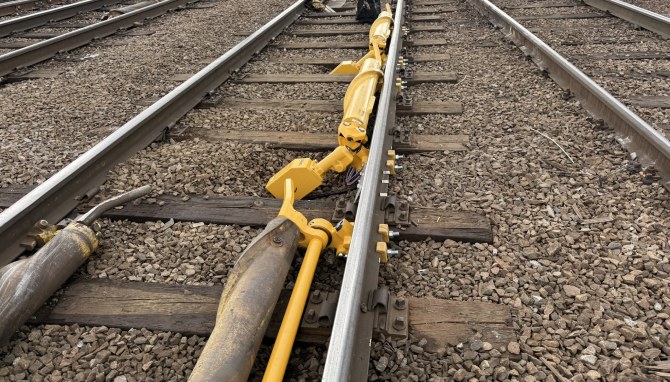
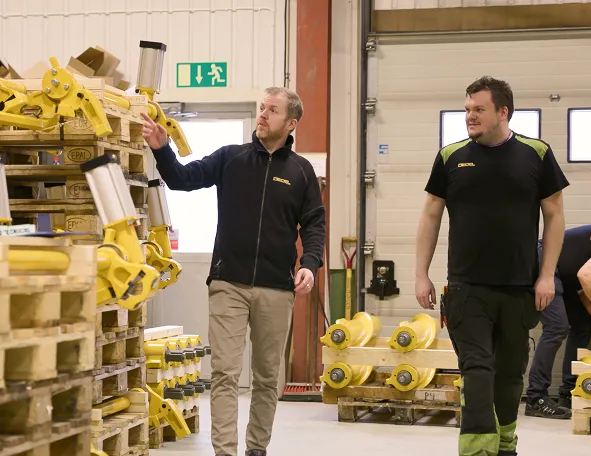
Sävenäs marshalling yard in Gothenburg is one of Sweden's most important nodes for rail freight, with trains arriving from and departing to the whole country every day. The facility is now being modernised in stages through around 2030. DECEL has been commissioned, together with consultants, to optimise the yard's braking system and supply a new, modern control system for around 1,500 pneumatically operated retarders. The goal is a sharp reduction in energy use and safer shunting for both staff and goods.
Background: a strategic facility in need of renewal
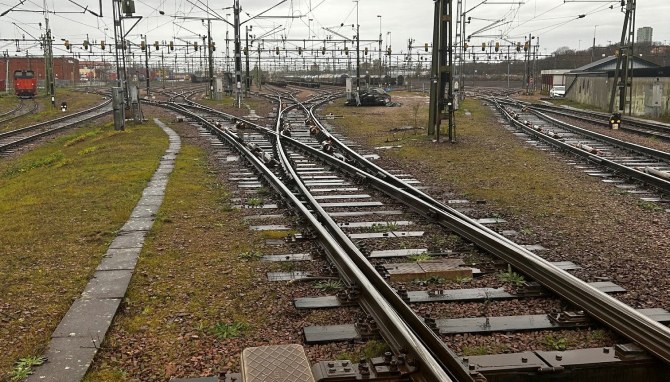
Trafikverket, the Swedish Transport Administration, describes Sävenäs as one of the larger freight yards in Sweden, with a central role in the national freight transport system. The facility covers around three kilometres of track for shunting, stabling, repairs and maintenance, close to the Gothenburg region's major logistics flows and the largest port in the Nordics.
DECEL retarders have been in place at Sävenäs since 1983, spread across the yard's 34 classification tracks. Around 700 of them have already been upgraded to the latest version. Now the facility needs renewal to meet future demands for capacity, safety, sustainability and lower operating and maintenance costs. Trafikverket wants to transform the yard into a safer and more functional facility. DECEL was chosen for its expertise in retarders, pneumatic systems and modern control of braking functions.

Receiving new modern control
DECEL retarders at Sävenäs since 1983
For shunting, stabling, repairs and maintenance
Planned completion of the rebuild
Modernising without losing control of operations
The difficulty lies in modernising a large, strategically important yard over a long rebuild period without letting safety, capacity or future operational needs slip out of focus. The solution has to start from the conditions that already exist and develop step by step towards a more energy-efficient and safer function. Done wrong, the facility would be left with high energy consumption, a heavy operational load and a weaker position to handle tomorrow's freight traffic.
Optimise the whole, not just the parts
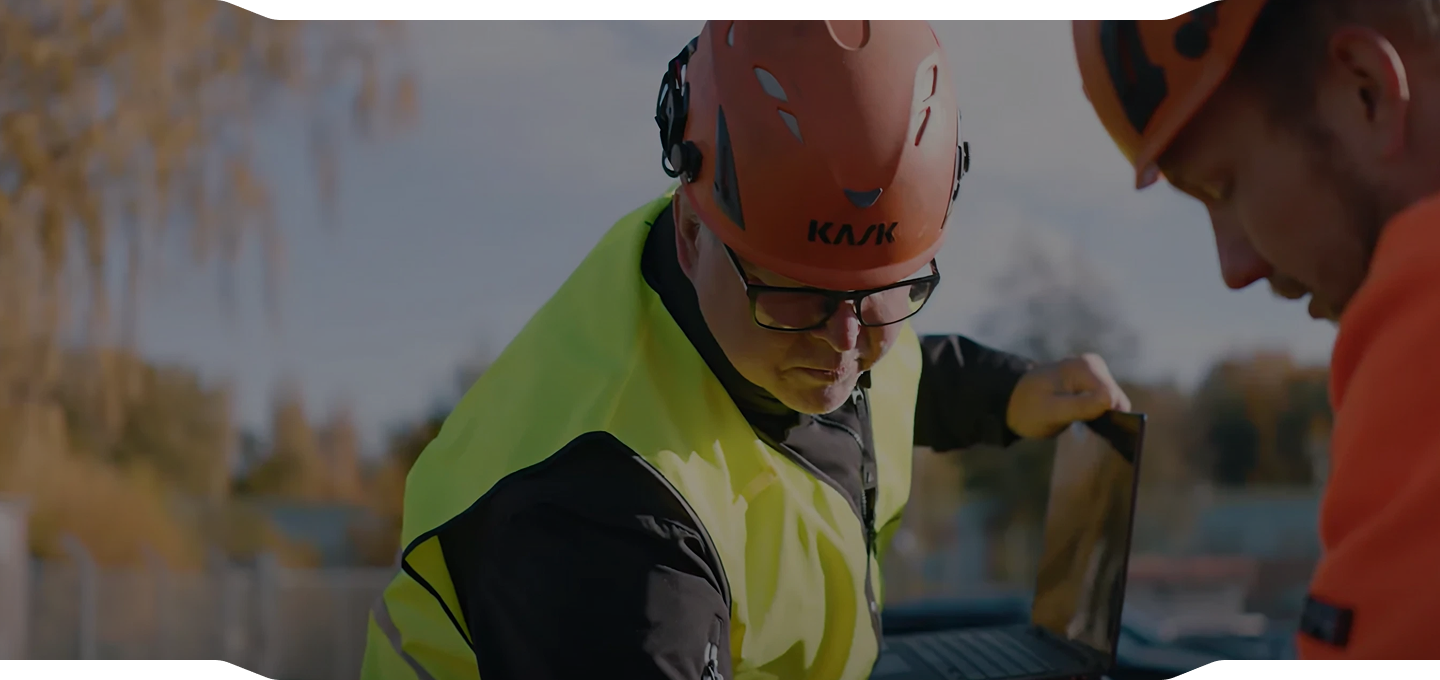
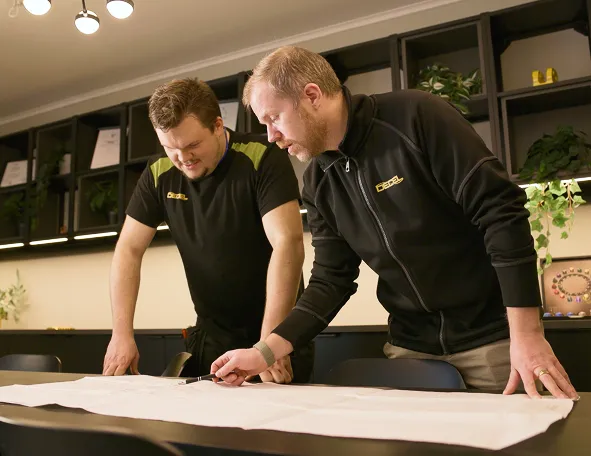
The work starts with an analysis of existing conditions, yard layout and operational requirements together with consultants and other project partners. From that, an optimised braking and control solution is developed for the roughly 1,500 pneumatically operated retarders.
A central decision is not merely to replace components but to optimise the function of the entire facility. By combining a new generation of control with the existing pneumatic technology, the activation of the retarders can be managed far more precisely. This reduces energy and air consumption, raises safety and makes the shunting process more predictable.
A future-proof freight hub
The project is ongoing, but the goal is clear. Sävenäs is to become a more modern, safer and more energy-efficient marshalling yard with capacity for the freight traffic of the future. With around 1,500 retarders, modern control and an optimised whole, DECEL is contributing to a sharp reduction in energy use, higher safety for staff and goods, and lower operating costs at one of the country's most important logistics facilities.
DECEL is also developing and testing new control technology with Trafikverket at Borlänge Marshalling Yard.
See also Helsingborg Marshalling Yard.
“For us, sustainability is not only about new technology. It is about designing solutions that operate reliably for decades, require minimal maintenance, and help reduce wear and damage to rolling stock and rail infrastructure. By improving operational efficiency and lowering life-cycle costs, we contribute to more sustainable rail yard operations."